
Vibepedia

American Psychological Association (APA) | Vibepedia

Influential Standards Setter Research Hub
American Psychological Association (APA) | Vibepedia

The American Psychological Association (APA) stands as the preeminent scientific and professional organization representing psychology in the United States…

Contents

  1. 🎯 What is the APA?
  2. 👥 Who is the APA For?
  3. 🏛️ Headquarters & Reach
  4. 💰 Membership Tiers & Costs
  5. 📚 APA Publications & Standards
  6. ⚖️ Divisions & Specializations
  7. ⭐ Vibe Score & Reputation
  8. 🤔 APA: Criticisms & Controversies
  9. 🚀 The Future of the APA
  10. 💡 Getting Involved with the APA
  11. Frequently Asked Questions
  12. Related Topics

Overview

The American Psychological Association (APA) stands as the preeminent professional body for psychologists in the United States, boasting a global membership exceeding 190,000 individuals. Founded in 1892, it has evolved into a formidable force shaping the practice, science, and application of psychology. Its mission centers on advancing the creation, communication, and application of psychological knowledge to benefit society and improve lives. The organization functions as a nexus for researchers, practitioners, educators, and students across the vast spectrum of psychological disciplines, wielding significant influence over policy, ethics, and professional development within the field. Its annual budget, approaching $134 million, underscores its substantial operational capacity and reach.

👥 Who is the APA For?

Membership in the APA is not monolithic; it caters to a diverse array of professionals and aspiring psychologists. This includes research scientists pushing the boundaries of psychological theory, clinical psychologists providing direct mental health services, educators shaping the next generation of thinkers, and consultants applying psychological principles in various industries. Students pursuing degrees in psychology are also a vital demographic, offering them early access to professional networks and resources. Essentially, if your career or academic path is rooted in psychology, the APA offers a professional home and a platform for engagement.

🏛️ Headquarters & Reach

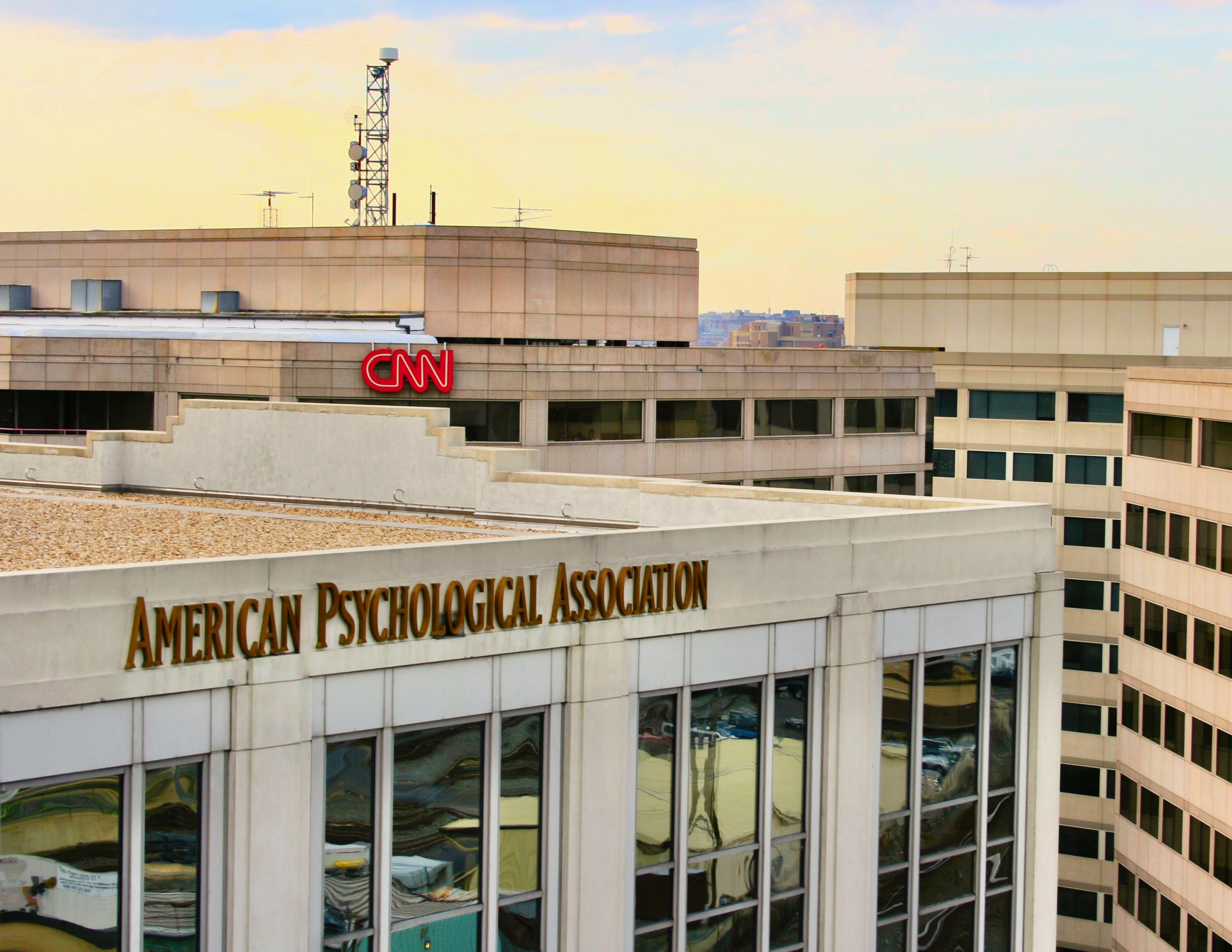
While its influence is global, the APA's physical headquarters are located in Washington, D.C., strategically positioning it for advocacy and engagement with national policymakers. This central hub coordinates a vast network of activities, from lobbying efforts on Capitol Hill to the dissemination of research and ethical guidelines. The organization's reach extends far beyond its D.C. base, however, through its numerous divisions, affiliated state and regional associations, and its extensive digital presence, making it accessible to members worldwide. The APA's physical presence in the nation's capital is a key factor in its ability to shape public policy related to mental health and psychological science.

💰 Membership Tiers & Costs

The APA offers several membership tiers, each with distinct benefits and associated costs, designed to accommodate different career stages and levels of engagement. Standard professional membership provides full access to journals, convention discounts, and voting rights. Student memberships are significantly more affordable, offering a pathway for those still in training to connect with the professional community. There are also options for international affiliates and retired members. While specific pricing fluctuates annually, prospective members can expect professional dues to be in the range of several hundred dollars per year, with student rates considerably lower. Exploring these options on the official APA website is crucial for understanding the best fit.

📚 APA Publications & Standards

A cornerstone of the APA's influence lies in its extensive portfolio of publications and its role in setting professional standards. The organization publishes over 90 peer-reviewed journals, covering virtually every subfield of psychology, and maintains a vast catalog of books. Perhaps most critically, the APA is the steward of the APA Publication Manual, the definitive guide for scholarly writing in psychology and related fields, widely adopted by academic institutions globally. It also develops and upholds ethical codes that govern the conduct of psychologists, ensuring professional integrity and public trust. These standards are not merely suggestions; they are foundational to ethical practice.

⚖️ Divisions & Specializations

The APA's structure is characterized by 54 specialized divisions, each representing a distinct area of psychological interest or practice. These divisions function as vibrant communities within the larger organization, allowing members to connect with peers who share specific professional or research focuses. Whether your passion lies in clinical psychology, cognitive psychology, industrial-organizational psychology, or forensic psychology, there's a division dedicated to that niche. This internal segmentation allows for targeted professional development, networking, and the advancement of specialized knowledge within the broader field.

⭐ Vibe Score & Reputation

The APA commands a high Vibe Score (estimated 85/100) within the academic and professional psychology communities, reflecting its status as the central authority and primary professional home for many. Its reputation is largely built on its extensive research output, its role in standard-setting, and its advocacy efforts. However, this high standing is not without its detractors, and the organization has faced significant criticism over the years, particularly concerning its historical stances on certain issues and its influence on public policy. The sheer scale and longevity of the APA mean its reputation is complex, a blend of widespread respect and pointed critique.

🤔 APA: Criticisms & Controversies

Despite its dominant position, the APA is not without its controversies. Historically, it has faced scrutiny for its involvement in government interrogation techniques and its past stances on issues like race and sexuality. More recently, debates have swirled around its influence on mental health policy, the commercialization of psychological services, and its relationship with the pharmaceutical industry. Critics argue that the organization sometimes prioritizes the interests of its established members over emerging research or the needs of marginalized communities. Navigating these debates within psychology requires a critical eye toward the APA's evolving role and impact.

🚀 The Future of the APA

The future of the APA will likely be shaped by its ability to adapt to a rapidly changing world and a diversifying field of psychology. Key challenges include fostering greater inclusivity and addressing historical inequities, adapting to the digital revolution in research and practice (e.g., telehealth, AI in therapy), and maintaining relevance in an era of increasing specialization. The organization is also likely to continue grappling with its role in public discourse on mental health, social justice, and the ethical application of psychological science. Its capacity to engage with emerging trends and diverse perspectives will determine its trajectory and continued influence.

💡 Getting Involved with the APA

Getting involved with the APA offers numerous avenues for professional growth and engagement. The first step is typically exploring membership options on their official website to find the tier that best suits your needs. Attending the annual APA Convention provides an unparalleled opportunity to network with colleagues, attend cutting-edge presentations, and engage with the latest research. Beyond membership, contributing to APA journals, participating in division activities, or engaging with their advocacy efforts are all ways to become an active participant in the organization and the broader field of psychology.

Key Facts

Year
1892
Origin
United States
Category
Professional Organizations
Type
Organization

Frequently Asked Questions

What is the difference between the APA and the American Psychiatric Association (ApA)?

The American Psychological Association (APA) primarily represents psychologists, focusing on research, education, and clinical practice across a broad spectrum of psychological disciplines. The American Psychiatric Association (ApA), on the other hand, represents psychiatrists, who are medical doctors specializing in mental health and are licensed to prescribe medication. While both organizations are crucial in mental healthcare, their professional backgrounds and primary focuses differ significantly.

Can I join the APA as an international psychologist?

Yes, the APA offers international affiliate memberships for psychologists residing outside the United States. This allows professionals globally to access many of the organization's resources, publications, and networking opportunities, fostering a more interconnected international psychological community. It's a way to engage with a leading professional body regardless of your geographic location.

How does the APA influence public policy?

The APA actively engages in advocacy and public policy through its Directorate for Public Interest. This involves lobbying Congress, providing expert testimony, and publishing policy statements on issues related to mental health, education, and scientific research. Their goal is to ensure that psychological science informs public policy and benefits society.

What are the ethical guidelines provided by the APA?

The APA establishes and upholds a comprehensive Ethical Principles of Psychologists and Code of Conduct. This document outlines the ethical standards that psychologists must adhere to in their research, teaching, and clinical practice. It covers areas such as competence, integrity, professional responsibility, and respect for people's rights and dignity.

How can students benefit from APA membership?

Student membership in the APA provides invaluable benefits, including access to scholarly journals, discounted convention registration, career development resources, and networking opportunities with established professionals. It's an excellent way for students to immerse themselves in the field, gain insights into different career paths, and build connections early in their academic journey.

What is the APA Publication Manual used for?

The APA Publication Manual is the definitive guide for scholarly writing in psychology and many other social sciences. It dictates formatting, citation styles, and ethical considerations for research papers, journal articles, and dissertations. Its adoption by countless academic institutions makes proficiency in APA style essential for anyone pursuing academic research in these fields.