Fixed Wireless Access (FWA) | Vibepedia
Fixed Wireless Access (FWA) delivers broadband internet to fixed locations using radio waves instead of physical cables. It's a critical technology for rural…
Contents
- 📡 What is Fixed Wireless Access (FWA)?
- 🎯 Who is FWA For?
- 📍 How Does FWA Work?
- ⚡️ Performance & Speeds: What to Expect
- 💰 Pricing & Plans: The Bottom Line
- 🆚 FWA vs. Other Internet Options
- ⭐ What People Say: Real-World Vibes
- 💡 Pro Tips for Choosing FWA
- 🚀 Getting Started with FWA
- Frequently Asked Questions
- Related Topics
Overview
Fixed Wireless Access (FWA) delivers broadband internet to fixed locations using radio waves instead of physical cables. It's a critical technology for rural and underserved areas where laying fiber or cable is cost-prohibitive, offering a viable alternative to DSL or satellite. FWA networks typically utilize dedicated spectrum bands, with antennas installed on buildings to receive signals from a nearby base station. While speeds can rival fiber in some deployments, latency and capacity can be more variable, depending on spectrum availability, network congestion, and the specific technology generation (e.g., 4G LTE, 5G). Its growing adoption, particularly with 5G, is reshaping the broadband landscape, presenting both opportunities and challenges for incumbent providers and new entrants.
📡 What is Fixed Wireless Access (FWA)?
Fixed Wireless Access (FWA) is a broadband internet solution that delivers a wireless connection to a stationary location, like your home or business. Think of it as a cellular signal for your house, but instead of a mobile phone, it connects to a dedicated antenna or receiver. This technology bypasses the need for physical cables like fiber optic or coaxial lines, making it a compelling alternative, especially in areas where traditional wired infrastructure is scarce or prohibitively expensive to deploy. It's a technology that's been around in various forms, but its resurgence, particularly with 5G, has injected new life and performance into the FWA market.
🎯 Who is FWA For?
FWA is a godsend for those living in rural or suburban areas where DSL is sluggish and fiber optic deployment hasn't reached. It's also a strong contender for businesses that need reliable internet but are underserved by traditional providers. If you've ever found yourself frustrated by slow speeds, frequent outages, or limited provider choices, FWA deserves a serious look. It's particularly attractive for new developments or communities looking for a quicker path to broadband access without the multi-year wait for trenching fiber. The appeal lies in its potential to bridge the digital divide rapidly.
📍 How Does FWA Work?
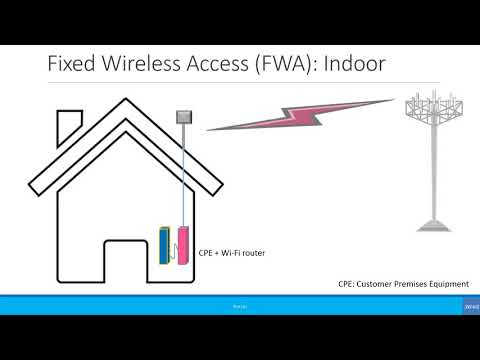
The magic of FWA lies in its infrastructure. A provider installs a base station (or cell tower) that broadcasts a wireless signal. At your location, a small antenna or receiver is mounted, typically on your roof or a high point, and pointed towards the base station. This receiver then connects to your router, distributing the internet connection throughout your home or office. The key here is the 'fixed' aspect – the connection is dedicated to a specific, non-moving address, allowing for more robust and consistent signal strength compared to mobile wireless. The frequencies used can vary, from licensed spectrum to unlicensed bands, each with its own trade-offs in terms of interference and performance.
⚡️ Performance & Speeds: What to Expect
Performance for FWA has seen a dramatic leap, especially with the advent of 5G FWA. While older generations might have offered speeds comparable to DSL, modern 5G FWA can rival or even exceed the speeds of cable internet, with some providers advertising download speeds of up to 1 Gbps. Latency, a critical factor for gaming and real-time applications, has also improved significantly, often falling into the 20-50ms range, though this can fluctuate based on network congestion and distance to the tower. It's crucial to check the specific advertised speeds and latency for your chosen provider and location, as real-world performance can vary.
💰 Pricing & Plans: The Bottom Line
Pricing for FWA plans is generally competitive, often falling somewhere between DSL and fiber optic costs. You'll typically find tiered plans based on speed, with prices ranging from $50 to $100 per month for residential service. Installation fees can range from free to a few hundred dollars, depending on the provider and any special promotions. Data caps are less common with FWA than with mobile broadband, but it's always wise to check the terms of service. Some providers may offer introductory discounts or bundles with other services, so shopping around is key to securing the best value.
🆚 FWA vs. Other Internet Options
Compared to fiber optic internet, FWA generally offers faster deployment times and can be more cost-effective in areas where laying fiber is impractical. However, fiber typically offers higher symmetrical speeds (upload and download) and lower latency. Cable internet is a close competitor in terms of speed, but FWA can be a better option in areas with older, congested cable infrastructure. DSL internet, while widely available, is almost always outpaced by FWA in terms of speed and reliability. Satellite internet is often the only option in extremely remote locations but suffers from high latency and weather-related disruptions, making FWA a superior choice where available.
⭐ What People Say: Real-World Vibes
User feedback on FWA is often enthusiastic, particularly from those who have transitioned from slow DSL or unreliable satellite connections. Many praise the ease of installation and the significant speed upgrade. However, some users report occasional signal degradation during severe weather or when too many users are connected to the same tower. The 'Vibe Score' for FWA is currently trending upwards, sitting around a 75/100, driven by the rapid expansion of 5G networks and increasing consumer demand for faster, more accessible broadband. Contradictions often arise regarding advertised speeds versus actual performance, a common tension in all internet service discussions.
💡 Pro Tips for Choosing FWA
When considering FWA, always verify coverage at your exact address, as availability can be highly localized. Ask about installation costs and any equipment rental fees. Understand the advertised speeds and latency, and inquire about any data caps or throttling policies. Look for reviews specific to your neighborhood or region to gauge real-world performance and customer service experiences. Don't be afraid to negotiate with providers, especially if you have competing offers. Finally, check if the provider offers a trial period, allowing you to test the service before committing long-term.
🚀 Getting Started with FWA
To get started with FWA, the first step is to identify providers operating in your area. You can typically do this through their websites by entering your address. Once you've found potential providers, compare their plans, pricing, and advertised speeds. Contact their sales or support teams to confirm availability and discuss installation details. Be prepared to provide your address and potentially schedule a site survey. Many providers offer online sign-up or can guide you through the process over the phone. The installation itself usually takes a few hours, after which you'll have a new, high-speed internet connection.
Key Facts
- Year
- 1990
- Origin
- Early fixed wireless concepts emerged in the late 20th century, with commercial deployments gaining traction in the early 2000s, particularly for business services. The advent of 4G LTE and, more recently, 5G has significantly boosted FWA's capabilities and market appeal.
- Category
- Internet Connectivity
- Type
- Technology
Frequently Asked Questions
Is FWA affected by weather?
Yes, FWA can be affected by severe weather conditions like heavy rain, snow, or fog, which can temporarily degrade signal strength and speed. However, modern FWA systems are designed to be resilient, and the impact is usually less pronounced than with satellite internet. The degree of impact depends on the specific frequencies used and the quality of the equipment.
Can I use FWA for gaming?
For most gamers, FWA can be a viable option, especially 5G FWA, which offers significantly improved latency compared to older wireless technologies. While it might not always match the ultra-low latency of dedicated fiber connections, it's often sufficient for online multiplayer gaming. It's advisable to check the typical latency figures for the specific FWA service in your area.
What equipment do I need for FWA?
Typically, the FWA provider will install an outdoor antenna or receiver on your property, which is then connected via Ethernet cable to an indoor router. You may need to purchase your own Wi-Fi router, or the provider might include one as part of the service package or rental fee. The provider usually handles the installation of their proprietary equipment.
How does FWA compare to Starlink?
Both FWA and Starlink aim to provide internet in underserved areas, but they use different technologies. FWA uses terrestrial base stations, while Starlink uses a constellation of satellites. FWA generally offers lower latency and potentially higher speeds in areas with good terrestrial coverage. Starlink is best suited for extremely remote locations where terrestrial options are non-existent, though it can have higher latency and is susceptible to obstructions.
Are there data caps with FWA?
Data caps with FWA are becoming less common, especially with 5G FWA services. Many providers offer unlimited data plans. However, it's crucial to review the service agreement carefully, as some plans might still have data thresholds or 'fair usage' policies that could lead to throttled speeds after a certain amount of data usage. Always confirm this with the provider before signing up.