
Contents
Overview
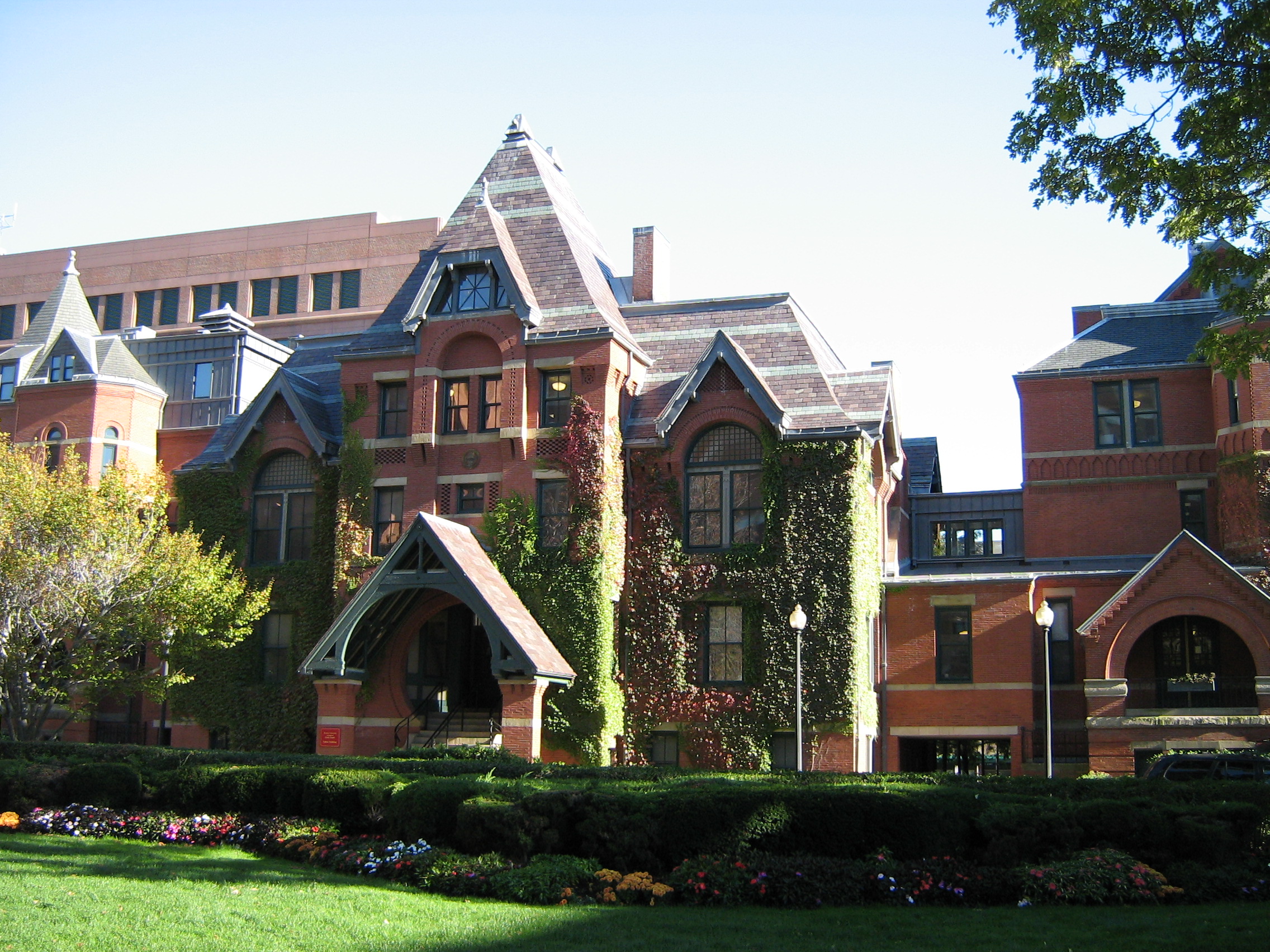
The Boston University School of Public Health (BUSPH) traces its origins to 1976, a period of burgeoning awareness regarding the critical role of organized public health interventions. Established as a distinct graduate school within the larger Boston University system, BUSPH was conceived to address complex health issues through rigorous academic training and cutting-edge research. Its founding was part of a broader national trend to professionalize public health education and equip a new generation of leaders. BUSPH is located on Boston University's Medical Campus, specifically in the South End neighborhood, strategically placing it within a vibrant urban ecosystem, facilitating collaborations with local healthcare institutions and communities. This positioning has been instrumental in shaping its research priorities and educational focus since its inception.
⚙️ How It Works
BUSPH functions as a hub for public health scholarship, integrating academic instruction with extensive research activities. The school offers a range of degree programs, including Master of Public Health (MPH) degrees, Master of Science (MS) degrees, and Doctor of Public Health (DrPH) degrees, alongside doctoral programs in epidemiology and biostatistics. Its curriculum emphasizes interdisciplinary learning, encouraging students to develop skills in areas such as epidemiology, biostatistics, health policy and management, and social and behavioral sciences. Research at BUSPH is organized across several core areas, including infectious disease epidemiology, chronic disease prevention, environmental health, and health equity, often involving collaborations with entities like the Centers for Disease Control and Prevention (CDC) and the National Institutes of Health (NIH).
📊 Key Facts & Numbers
As of recent reporting, BUSPH boasts a significant research portfolio, underscoring its substantial contribution to public health science. The school is home to a dedicated faculty and staff, forming a robust academic and administrative backbone. Its student body is remarkably international, with individuals hailing from various countries, reflecting a global perspective on health challenges. Since its founding, BUSPH has graduated a large number of alumni, who now occupy influential positions in public health organizations, government agencies, and academic institutions worldwide. The school's annual operating budget and specific grant funding figures, while substantial, are detailed in its institutional reports.
👥 Key People & Organizations
The leadership of BUSPH is currently helmed by Dean ad Interim Michael Stein. Sandro Galea served as Dean for a decade, stepping down at the end of 2024, a tenure marked by significant expansion of research initiatives and academic programs. Key faculty members include distinguished researchers in fields such as infectious disease epidemiology, environmental health, and health equity, whose work often garners international recognition. Beyond its internal structure, BUSPH actively engages with external organizations, including the World Health Organization (WHO), local health departments like the Massachusetts Department of Public Health, and numerous non-profit health advocacy groups, solidifying its role as a community partner.
🌍 Cultural Impact & Influence
BUSPH has exerted considerable influence on public health discourse and practice, both domestically and internationally. Its alumni network forms a powerful force in shaping health policy, research agendas, and community health programs across the globe. The school's research findings, often published in high-impact journals such as The Lancet and the New England Journal of Medicine, frequently inform public health guidelines and interventions. Furthermore, BUSPH's commitment to addressing health disparities and promoting social justice has positioned it as a thought leader in the movement towards greater health equity, influencing how public health challenges are framed and tackled in diverse urban and global settings.
⚡ Current State & Latest Developments
In the current landscape of 2024-2025, BUSPH continues to navigate evolving public health priorities, with a strong focus on emerging infectious diseases, the long-term impacts of climate change on health, and the persistent challenges of chronic disease and mental health. The transition in deanship from Sandro Galea to Michael Stein marks a period of leadership evolution, likely to bring new strategic directions and programmatic emphasis. The school is actively involved in post-pandemic public health recovery efforts, contributing expertise to vaccine distribution strategies and public health infrastructure strengthening. Ongoing research projects are exploring the intersection of social determinants of health with technological advancements, such as big data analytics in public health surveillance and the ethical implications of genomic sequencing for disease prevention.
🤔 Controversies & Debates
BUSPH operates within a field that is inherently subject to debate, particularly concerning resource allocation, research priorities, and the ethical implications of public health interventions. One ongoing discussion revolves around the balance between academic research and direct community service, with some critics arguing for a greater emphasis on immediate, on-the-ground impact versus long-term epidemiological studies. Another area of contention can arise from the funding sources for public health research, with debates about potential conflicts of interest when research is supported by pharmaceutical companies or other industry stakeholders. Furthermore, the school's engagement with controversial public health issues, such as vaccine mandates or harm reduction strategies, often places it at the center of public and political discourse, necessitating careful navigation of diverse societal values and scientific evidence.
🔮 Future Outlook & Predictions
Looking ahead, BUSPH is poised to play an increasingly critical role in addressing global health crises and advancing health equity. Future developments are likely to center on leveraging artificial intelligence and machine learning for predictive public health modeling, enhancing disease surveillance, and personalizing health interventions. The school is expected to deepen its focus on the health impacts of climate change, developing innovative strategies for adaptation and mitigation. Furthermore, BUSPH will likely continue to champion interdisciplinary approaches, fostering collaborations that bridge public health with fields like urban planning, economics, and data science to tackle complex, interconnected societal challenges. The expansion of online and hybrid learning formats may also broaden its reach, making its specialized education more accessible to a global audience.
💡 Practical Applications
The practical applications of BUSPH's work are extensive, impacting public health initiatives across various sectors. Its graduates are instrumental in designing and implementing disease prevention programs, developing health policies at local, state, and federal levels, and conducting vital research that informs public health strategies. For instance, BUSPH faculty and alumni are actively involved in efforts to combat the opioid crisis, improve maternal and child health outcomes, and address environmental hazards in urban communities. The school's expertise is also sought after by international organizations for global health initiatives, including efforts to control infectious diseases like COVID-19 and improve healthcare access in low-resource settings. The research conducted at BUSPH directly informs public health campaigns and clinical guidelines, translating scientific knowledge into tangible improvements in population health.
Key Facts
- Category
- platforms
- Type
- topic