
Contents
Overview
The genesis of the cable news industry can be traced back to the late 1970s and early 1980s, a period marked by the burgeoning adoption of satellite television and cable TV systems. Ted Turner's audacious launch of the Cable News Network (CNN) on June 1, 1980, fundamentally altered the media landscape, proving that a dedicated, 24-hour news channel was not only feasible but potentially lucrative. This initial success spurred further innovation, with the Financial News Network (FNN) debuting in 1981, followed by CNN's sister channel, CNN2 (now HLN), in 1982. The 1980s and 1990s saw a significant expansion, including the establishment of CNBC in 1989, which later absorbed FNN in 1991. The subsequent decades witnessed the rise of highly influential, often ideologically distinct networks like Fox News Channel (launched 1996) and MSNBC (launched 1996), solidifying the industry's structure and its role in shaping public opinion.
⚙️ How It Works
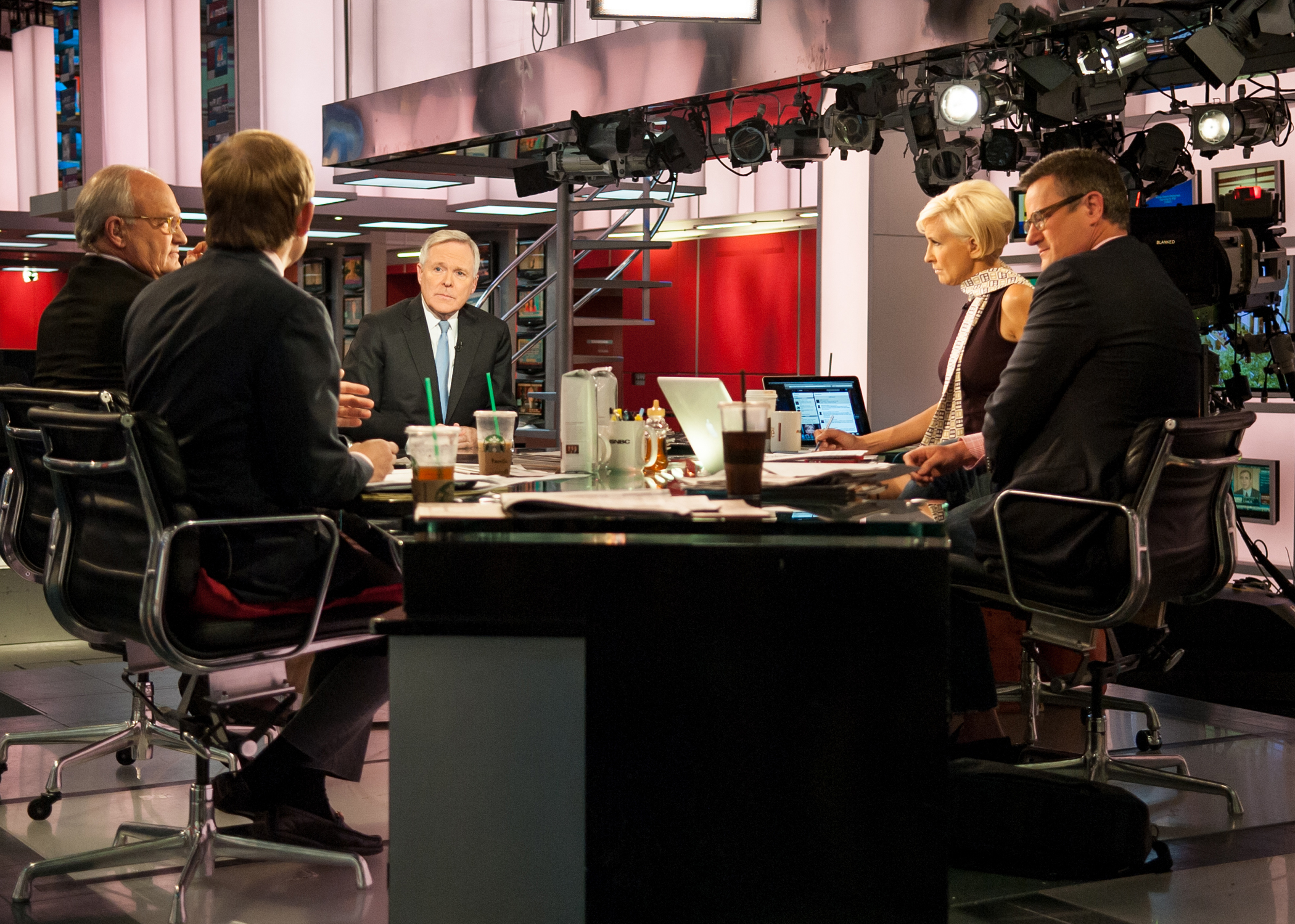
Cable news networks operate on a continuous, 24-hour cycle, broadcasting live reports, pre-recorded segments, interviews, and panel discussions. The core operational model involves a central newsroom coordinating reporting teams, anchors, producers, and technical staff to deliver content around the clock. Revenue streams are primarily derived from advertising sales, where brands pay for commercial slots during specific programs or across the network, and cable carriage fees, which are payments from telecommunications companies and ISPs for the right to include the channel in their channel packages. This dual revenue model incentivizes high viewership numbers, often leading to programming strategies that prioritize sensationalism, partisan commentary, and breaking news alerts to capture and retain audiences. The production infrastructure includes extensive studios, satellite uplinks, and digital platforms for online streaming and social media engagement.
📊 Key Facts & Numbers
The cable news industry commands significant financial and audience metrics. In 2023, the top three cable news networks in the U.S.—Fox News Channel, MSNBC, and CNN—collectively garnered an average of over 3 million viewers in prime time. Fox News Channel consistently leads, often attracting more than 1.5 million prime-time viewers, while MSNBC and CNN typically vie for second and third place, with viewership fluctuating between 1 million and 1.2 million. The industry's advertising revenue is substantial, estimated to be in the billions of dollars annually across major networks. For instance, Fox News Channel alone reportedly generated over $1.3 billion in advertising revenue in 2022. Approximately 70% of American households have access to at least one major cable news network, underscoring their broad reach, though the percentage of daily news consumers who rely on cable news has seen a gradual decline since its peak in the early 2000s, now hovering around 25% according to Pew Research Center data.
👥 Key People & Organizations
Several key figures and organizations have shaped the cable news industry. Ted Turner is the visionary founder of CNN, revolutionizing news delivery with his 24/7 model. Roger Ailes was instrumental in building and shaping Fox News Channel into a dominant force, known for its conservative editorial stance. Phil Griffin served as president of MSNBC during a period of significant growth and ideological shift. Jeff Zucker held prominent leadership roles at CNN and NBC Universal, influencing programming strategies. Major media conglomerates like News Corp (owner of Fox News), Comcast (owner of MSNBC), and Warner Bros. Discovery (owner of CNN) are the corporate titans that own and operate many of these networks, wielding immense influence over their editorial direction and financial performance. The Poynter Institute and Pew Research Center are prominent journalistic institutions that frequently analyze and report on the industry's trends and impact.
🌍 Cultural Impact & Influence
The cultural impact of the cable news industry is profound and multifaceted. It has democratized access to immediate news, allowing viewers to witness events unfold in real-time, a stark contrast to the scheduled evening news broadcasts of earlier eras. However, this immediacy has also been criticized for prioritizing speed over accuracy and depth, contributing to the spread of misinformation. The constant cycle of breaking news and opinion programming has influenced political campaigning, public discourse, and even the legislative agenda, as politicians and policymakers often react to or engage with the narratives presented on these channels. The industry's visual language and dramatic framing have also permeated broader media culture.
⚡ Current State & Latest Developments
The cable news industry is currently navigating a complex and evolving media environment. While major networks like Fox News Channel, MSNBC, and CNN continue to command significant viewership, they face increasing competition from digital-native news sources and social media platforms like X (formerly Twitter) and Facebook. In response, networks are investing more heavily in their digital presences, including streaming services and online content, attempting to reach younger demographics. There's also a noticeable trend towards personality-driven programming, with anchors and commentators becoming as prominent as the news itself. Recent developments include shifts in prime-time lineups, increased focus on investigative journalism by some outlets, and ongoing legal challenges and scrutiny regarding journalistic practices and political bias. The industry is also grappling with the economic realities of declining cord-cutting rates and the need to adapt to changing consumer habits.
🤔 Controversies & Debates
The cable news industry is rife with controversies and debates, primarily centered on issues of bias, accuracy, and journalistic ethics. A persistent criticism is the perceived partisan slant of many networks, with Fox News Channel frequently accused of promoting a conservative agenda and MSNBC of a liberal one, while CNN faces accusations of leaning left. The drive for ratings often leads to sensationalism, the amplification of fringe viewpoints, and the blurring of lines between news reporting and opinion commentary. The spread of misinformation and disinformation, particularly during election cycles and major news events, is another significant concern, leading to questions about editorial responsibility and fact-checking protocols. Furthermore, the financial pressures of the industry raise questions about the independence of journalism from corporate and political interests.
🔮 Future Outlook & Predictions
The future outlook for the cable news industry is uncertain, marked by both challenges and potential avenues for adaptation. The continued migration of younger audiences to digital platforms suggests a potential long-term decline in traditional cable viewership, necessitating a strategic pivot towards multi-platform content delivery and direct-to-consumer streaming services. Networks may need to experiment with new formats, such as shorter-form video, interactive content, and more niche programming to capture diverse audience segments. There's also speculation
Key Facts
- Category
- platforms
- Type
- topic