
Vibepedia

Chitlin Circuit | Vibepedia

historical cultural music-history
Chitlin Circuit | Vibepedia

The Chitlin' Circuit was more than just a series of performance venues; it was a vital cultural ecosystem that nurtured Black artistry and provided a crucial…

Contents

  1. Origins and Early Development
  2. Musical Genres and Key Venues
  3. Artistic and Economic Impact
  4. Decline and Enduring Legacy
  5. Frequently Asked Questions
  6. Related Topics

Overview

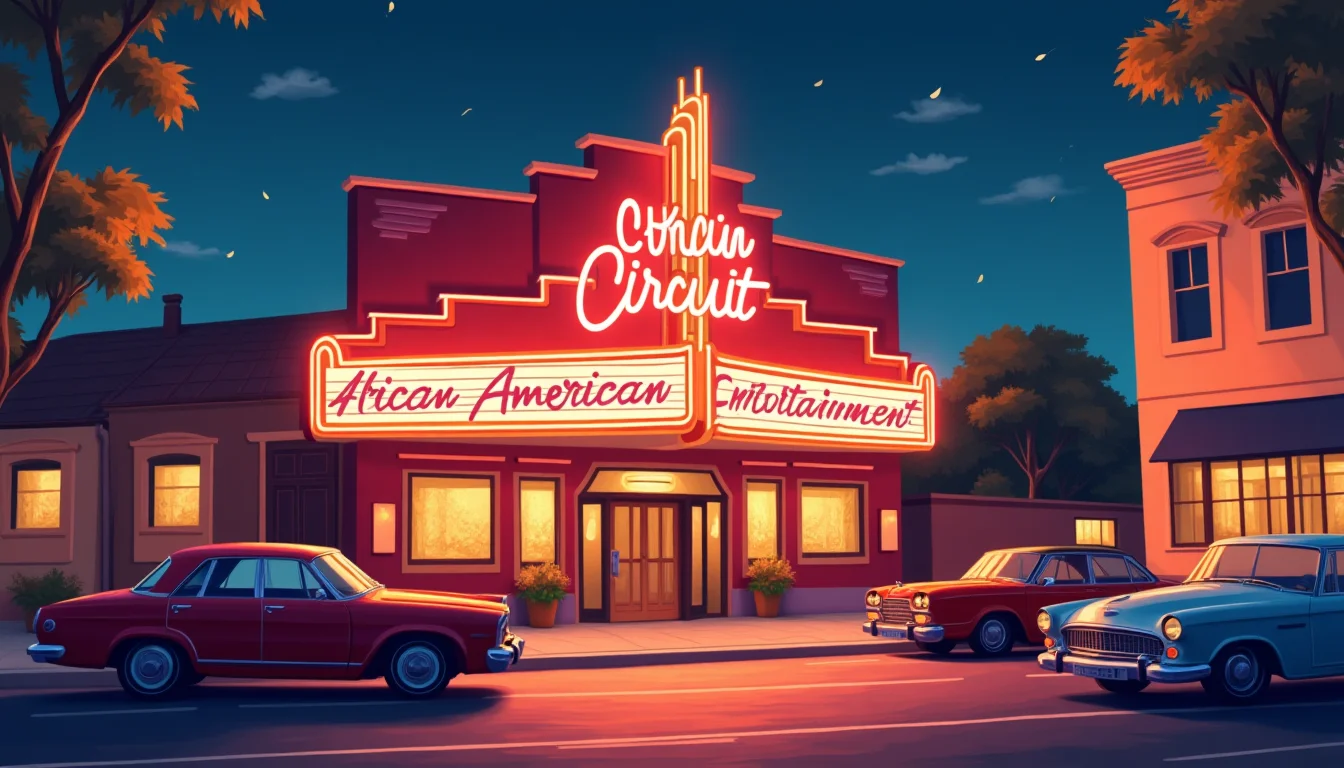
The Chitlin' Circuit was more than just a series of performance venues; it was a vital cultural ecosystem that nurtured Black artistry and provided a crucial entertainment outlet for African Americans during Jim Crow segregation. From the 1920s through the late 1960s, these theaters, located primarily in Black neighborhoods across the United States, showcased a dazzling array of talent, from [[blues|blues]] legends and [[jazz|jazz]] titans to [[gospel|gospel]] singers and early [[r&b|R&B]] and [[soul|soul]] pioneers. These venues offered a safe haven and a platform for Black performers to hone their craft, reach their audience, and build careers in a society that systematically denied them opportunities elsewhere.

The operational mechanics of the Chitlin' Circuit were a testament to Black entrepreneurship and resilience. Promoters and theater owners, often Black themselves, navigated a complex landscape of racial prejudice, limited resources, and evolving musical tastes. They booked acts, managed logistics, and created a circuit that allowed artists to tour consistently, generating income and building national recognition. The success of the circuit was not just about entertainment; it was about economic empowerment and the assertion of Black cultural identity in the face of oppression.

Origins and Early Development

The historical roots of the Chitlin' Circuit are deeply embedded in the Great Migration, as African Americans moved from the rural South to urban centers, bringing their vibrant musical traditions with them. As Black communities grew, so did the demand for entertainment that reflected their culture. Early venues like the Riot Theater in Philadelphia and the Lafayette Theatre in Harlem became crucial hubs. These spaces were not merely stages; they were community centers where Black Americans could gather, socialize, and experience art free from the indignity of segregation. The booking of acts was often a meticulous process, with promoters like Don Robey and Maurice King playing pivotal roles in creating touring routes that made economic sense for musicians.

Musical Genres and Key Venues

The musical genres that thrived on the Chitlin' Circuit are a who's who of African American popular music. Early blues artists like Bessie Smith and Ma Rainey found audiences and financial stability. As jazz evolved, venues like the Apollo Theater in Harlem and the Howard Theatre in Washington D.C. became legendary proving grounds for artists such as Duke Ellington, Louis Armstrong, and Ella Fitzgerald. In the post-war era, the circuit became the backbone for the burgeoning [[rhythm-and-blues|R&B]] and [[soul music|soul music]] scenes, launching the careers of icons like Chuck Berry, Little Richard, Ray Charles, Aretha Franklin, and James Brown. These artists not only entertained but also challenged racial norms through their music and stage presence.

Artistic and Economic Impact

The legacy of the Chitlin' Circuit is profound, extending far beyond the music it presented. It fostered a sense of solidarity and pride within Black communities, demonstrating the power of Black entrepreneurship and cultural self-determination. The circuit provided economic opportunities for thousands of Black performers, technicians, and venue staff. Moreover, it laid the groundwork for the mainstream success of Black artists in later decades, proving the immense commercial appeal and artistic merit of African American music. While the advent of desegregation and changing entertainment landscapes eventually led to the decline of many of these iconic venues, their impact on American music and culture remains indelible.

Decline and Enduring Legacy

The decline of the Chitlin' Circuit is often attributed to the Civil Rights Act of 1964, which outlawed segregation, opening up previously all-white venues to Black performers. While this was a monumental victory for equality, it also meant that the unique, self-contained ecosystem of the circuit was no longer a necessity. Furthermore, the rise of television, changing media consumption habits, and the consolidation of the music industry in places like Los Angeles and New York shifted the landscape. However, the spirit of the circuit lives on in contemporary Black-owned businesses and cultural spaces that continue to support and uplift Black artists. The stories and music born from the circuit are a permanent fixture in the American cultural canon.

Key Facts

Year
c. 1920s-1960s
Origin
United States (primarily segregated Black neighborhoods)
Category
music
Type
movement

Frequently Asked Questions

What does 'Chitlin' Circuit' mean?

The term 'Chitlin' Circuit' refers to a network of theaters and clubs across the United States that provided performance venues for Black entertainers during the era of racial segregation. It was a crucial space for Black musicians, comedians, and other artists to perform, gain exposure, and earn a living when mainstream venues were largely inaccessible due to segregation. The name itself is believed to derive from 'chitlins,' a soul food dish.

When was the Chitlin' Circuit most active?

The Chitlin' Circuit was most active and influential from the 1930s through the 1960s. This period coincided with the height of racial segregation in the United States, making these venues indispensable for Black performers. While the social and legal landscape changed significantly after the Civil Rights Movement, the concept and spirit of the circuit have continued to influence Black entertainment.

What kind of music was popular on the Chitlin' Circuit?

A wide range of Black musical genres found a home on the Chitlin' Circuit. Rhythm and blues (R&B) was a dominant force, alongside soul music, doo-wop, and blues. Jazz ensembles and gospel choirs also frequently performed. The circuit was instrumental in the development and popularization of these styles, serving as a testing ground for new sounds and artists.

Were there famous venues on the Chitlin' Circuit?

Absolutely. Several venues became legendary landmarks. The [[Apollo Theater]] in Harlem, New York, is perhaps the most famous. Other significant venues included the [[Howard Theatre]] in Washington D.C., the [[Royal Peacock Lounge]] in Atlanta, Georgia, and the [[Regal Theater]] in Chicago, Illinois. These theaters were more than just stages; they were cultural centers for Black communities.

Did comedians perform on the Chitlin' Circuit?

Yes, the Chitlin' Circuit was a vital platform for Black comedians. Performers like [[Moms Mabley]], [[Slappy White]], and later [[Richard Pryor]] honed their craft and built their careers on these stages. They often used humor to address social issues, racial injustices, and the everyday experiences of Black Americans, creating a unique and influential comedic tradition.

What is the legacy of the Chitlin' Circuit today?

The legacy of the Chitlin' Circuit is profound. It represents a crucial period of Black artistic achievement and resilience in the face of segregation. It fostered Black cultural identity, provided economic opportunities for entertainers, and significantly shaped American popular music and comedy. Today, the term is sometimes used to describe contemporary tours and venues that continue to support Black artists and audiences, carrying forward the tradition of Black entertainment.