
Contents
Overview
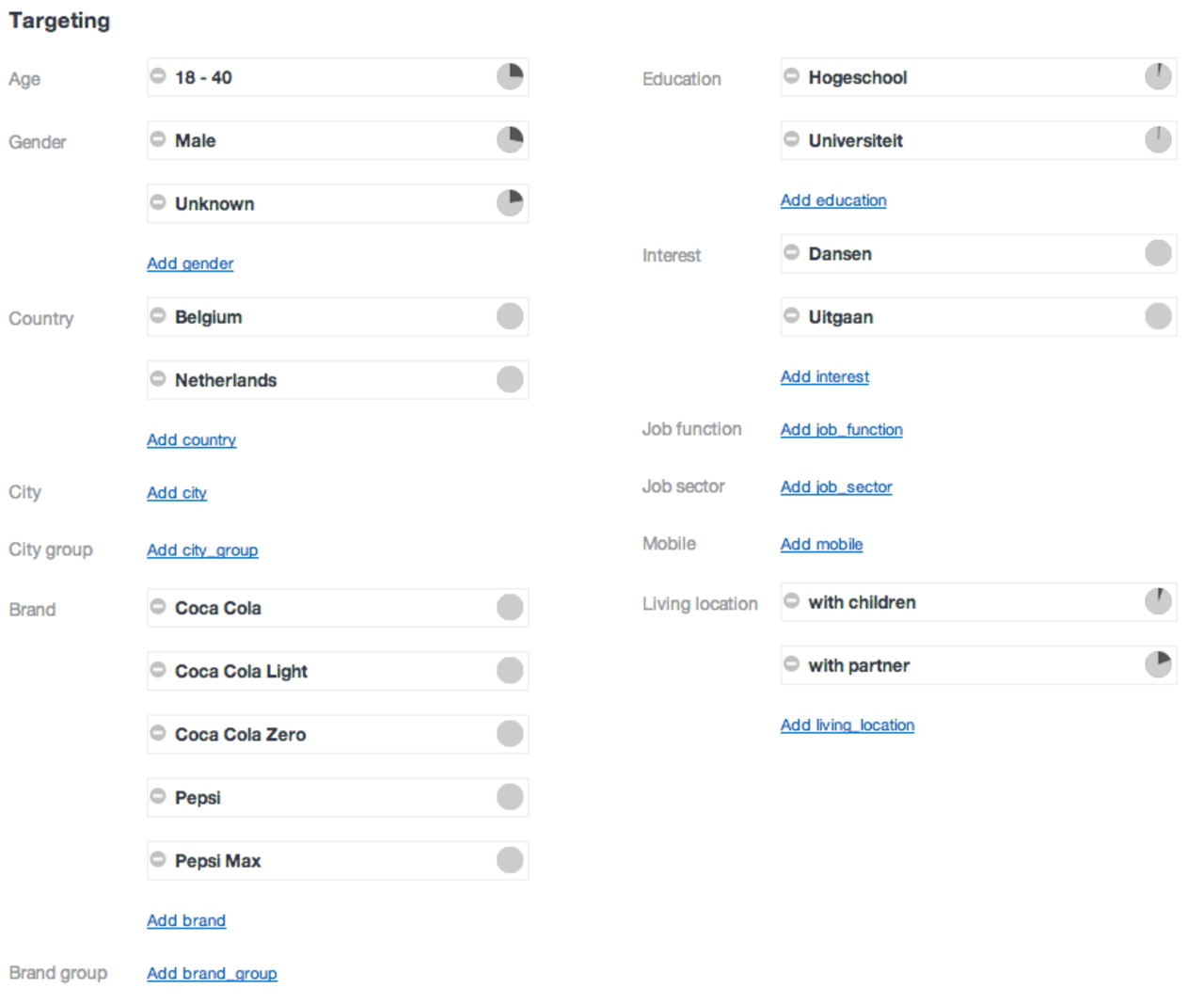
Data-driven marketing is the strategic use of consumer data to inform and optimize marketing campaigns. Instead of broad-stroke messaging, it leverages insights gleaned from user behavior, demographics, purchase history, and preferences to deliver highly relevant and personalized experiences. This approach moves beyond guesswork, allowing marketers to understand their audience at a granular level and tailor their communications for maximum impact. The goal is to connect with the right person, at the right time, with the right message, fostering deeper engagement and driving conversions. It’s the engine that powers modern commerce, ensuring that marketing spend is efficient and effective.
🎯 Who Benefits Most?
This methodology is invaluable for businesses of all sizes, but particularly for e-commerce platforms, SaaS providers, and any company with a significant online presence. Retailers can use data to predict purchasing patterns and personalize product recommendations, while subscription services can identify churn risks and proactively engage at-risk customers. Startups can leverage data to rapidly understand their target market and refine their value proposition. Essentially, any organization aiming to improve customer acquisition cost (CAC), boost customer lifetime value (CLV), and achieve a higher return on ad spend (ROAS) will find data-driven marketing indispensable. It’s about making every marketing dollar work harder.
📊 Key Components & Technologies
At its core, data-driven marketing relies on several key components: a robust CDP or DMP to collect and unify customer information, analytics tools for processing and interpreting this data, and marketing automation platforms to execute personalized campaigns across various channels. Technologies like AI and ML are increasingly vital for predictive modeling, audience segmentation, and real-time campaign optimization. A/B testing and multivariate testing are also critical for refining messaging and creative assets based on performance data. The infrastructure must be capable of handling large volumes of data efficiently.
📈 Performance Metrics & ROI
Measuring success in data-driven marketing hinges on a clear understanding of key performance indicators (KPIs). Beyond vanity metrics, focus shifts to tangible outcomes like conversion rates, customer acquisition cost (CAC), customer lifetime value (CLV), return on ad spend (ROAS), and engagement rates. Attribution modeling helps understand which touchpoints contribute most to conversions, allowing for better budget allocation. Regular analysis of campaign performance against predefined goals is crucial for iterative improvement. A well-executed data-driven strategy demonstrably improves these metrics, proving its value to the bottom line.
⚖️ Ethical Considerations & Privacy
The power of data comes with significant ethical responsibilities. Concerns around data privacy and consumer consent are paramount, especially with regulations like the GDPR and the CCPA. Transparency in data collection and usage is non-negotiable. Businesses must ensure they are not only compliant with legal frameworks but also ethically sound in how they handle personal information. Building trust with consumers by respecting their privacy is as crucial as any marketing tactic. Mishandling data can lead to severe reputational damage and legal penalties.
🆚 Data-Driven vs. Traditional Marketing
Traditional marketing often relies on broad demographic targeting and mass media. Think television commercials or print ads aimed at a wide audience. Data-driven marketing, conversely, zeroes in on individual or hyper-segmented audiences. Instead of broadcasting a single message, it crafts personalized communications based on deep insights into consumer behavior and preferences. While traditional methods can build brand awareness, data-driven approaches excel at driving measurable actions, optimizing spend, and fostering direct customer relationships. The shift is from 'pushing' messages to 'pulling' customers through relevant, personalized journeys.
💡 Practical Tips for Implementation
To effectively implement data-driven marketing, start by clearly defining your business objectives and the specific customer segments you want to reach. Invest in the right data analytics tools and ensure your data collection practices are compliant and ethical. Begin with smaller, targeted campaigns to test hypotheses and refine your approach before scaling. Foster a data-literate culture within your marketing team, encouraging continuous learning and experimentation. Don't be afraid to iterate based on performance data; agility is key to success in this dynamic field.
🌐 The Future of Data-Driven Strategies
The trajectory of data-driven marketing points towards even greater personalization, predictive capabilities, and automation. Expect advancements in AI-powered personalization engines that can anticipate customer needs before they arise. The integration of omnichannel marketing will become more seamless, providing a consistent experience across all touchpoints. As privacy concerns continue to shape the landscape, innovations in privacy-preserving analytics and first-party data strategies will become increasingly important. The future belongs to marketers who can ethically harness data to build genuine connections and deliver exceptional value.
Key Facts
- Year
- 1990
- Origin
- The roots of data-driven marketing can be traced back to the rise of direct marketing and early database management systems in the late 20th century. Pioneers like Arthur Hughes, often credited with coining the term 'data mining' in 1987, laid the groundwork for using data to understand and influence customer behavior. The advent of the internet and digital channels in the 1990s and 2000s, however, truly accelerated its development, providing unprecedented volumes of data and sophisticated tools for analysis.
- Category
- Marketing & Advertising
- Type
- Concept
Frequently Asked Questions
What is the primary difference between data-driven marketing and traditional marketing?
Data-driven marketing uses specific consumer data to personalize campaigns for individuals or small segments, aiming for high relevance and measurable actions. Traditional marketing, conversely, relies on broad demographics and mass media to reach a wide audience, often focusing on brand awareness over direct response. The former is about precision and optimization, while the latter is about reach and general appeal.
Is data-driven marketing only for large corporations?
Absolutely not. While large enterprises often have more resources, the principles and tools of data-driven marketing are accessible to businesses of all sizes. Small businesses can start by leveraging website analytics, email marketing data, and social media insights to understand their customers better and refine their outreach. The key is to start small, learn, and scale.
What are the biggest challenges in implementing data-driven marketing?
Key challenges include data quality and integration issues, a lack of skilled personnel to analyze and act on data, ensuring data privacy and compliance with regulations, and overcoming internal resistance to adopting new, data-centric processes. Many organizations struggle with siloed data and a lack of a unified customer view.
How does data-driven marketing impact customer experience?
When done well, data-driven marketing significantly enhances customer experience by delivering relevant content, personalized offers, and timely support. It makes interactions feel less intrusive and more helpful, leading to higher customer satisfaction and loyalty. Conversely, poorly executed data usage can feel creepy or intrusive, damaging the customer relationship.
What is the role of AI and Machine Learning in data-driven marketing?
AI and ML are crucial for automating complex tasks, identifying patterns in vast datasets, predicting customer behavior, and enabling hyper-personalization at scale. They power recommendation engines, optimize ad bidding, segment audiences more effectively, and automate campaign adjustments in real-time, making marketing efforts far more efficient and impactful.
How can I ensure my data-driven marketing is ethical and respects privacy?
Prioritize transparency by clearly communicating what data you collect and why. Always obtain explicit consent for data collection and usage, especially for sensitive information. Adhere strictly to privacy regulations like GDPR and CCPA. Regularly audit your data practices and provide easy opt-out mechanisms for consumers. Building trust through ethical data handling is paramount.