Contents
Overview
The energy industry encompasses all sectors involved in the production, extraction, refining, distribution, and sale of energy resources. This colossal global enterprise is the bedrock of modern society, fueling everything from transportation and manufacturing to heating and digital infrastructure. It's a complex web of industries, historically dominated by fossil fuels like petroleum, coal, and natural gas, but increasingly incorporating electricity generation, nuclear power, and a rapidly expanding array of renewable sources such as solar, wind, and hydroelectric power. The sheer scale of the energy industry is staggering, with global energy consumption projected to reach over 600 quadrillion British thermal units (Btu) annually by 2050, underscoring its critical role in economic development and geopolitical stability. Its evolution is marked by technological innovation, environmental challenges, and shifting market dynamics, making it a constant source of debate and a critical frontier for future sustainability.
🎵 Origins & History
The human relationship with energy is as old as civilization itself, beginning with the mastery of fire for warmth and cooking, a practice dating back at least 1.5 million years. The earliest organized energy extraction involved wood and peat for fuel. The 20th century witnessed the dawn of the electrical age, powered by both fossil fuels and the burgeoning nuclear power industry, alongside the expansion of natural gas networks. This historical trajectory, from wood fires to the complex global grid of today, is a testament to humanity's relentless pursuit of more potent and accessible energy sources.
⚙️ How It Works
The energy industry operates through a multi-stage value chain. For fossil fuels, it begins with exploration and extraction (upstream), involving drilling for oil and gas or mining for coal, often employing sophisticated technologies like hydraulic fracturing and deep-sea drilling. This raw material is then transported, often via pipelines, tankers, or rail, to refineries and processing plants (midstream) where it's converted into usable products like gasoline, diesel, jet fuel, and petrochemical feedstocks. Electricity generation forms a distinct but interconnected sector, utilizing diverse sources—coal, natural gas, nuclear fission, hydropower, wind turbines, and solar panels—to produce electricity. This power is then transmitted through high-voltage lines and distributed via local grids (downstream) to homes, businesses, and industries, managed by utility companies. The entire system relies on intricate logistics, massive infrastructure investments, and complex market mechanisms to balance supply and demand.
📊 Key Facts & Numbers
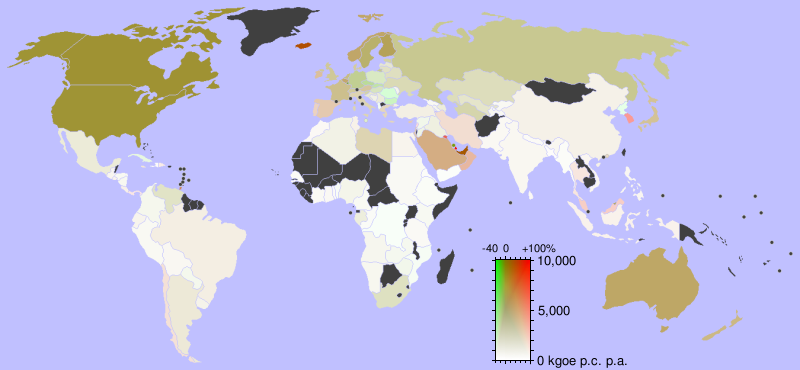
China is the world's largest energy consumer.
👥 Key People & Organizations
Numerous individuals and organizations have shaped the energy industry. Visionaries like Thomas Edison were foundational to the electrical power industry. More recently, figures like Elon Musk, through Tesla and SpaceX, have championed electric vehicles and advanced battery technology, pushing the boundaries of renewable energy integration.
🌍 Cultural Impact & Influence
The energy industry's influence permeates every facet of modern life and culture. The availability of cheap and abundant energy, largely from fossil fuels, fueled suburbanization, globalized trade, and the proliferation of consumer goods. The automobile has profoundly shaped urban planning, personal freedom, and cultural landscapes, as depicted in countless films and literature. The visual iconography of power plants, oil rigs, and sprawling solar farms has become embedded in our collective imagination. Conversely, the environmental consequences of energy production, particularly climate change driven by greenhouse gas emissions from burning fossil fuels, have spurred a global environmental movement and a cultural reckoning with our consumption patterns. The rise of electric vehicles and smart home technology signals a cultural shift towards more sustainable and digitized energy use, reflecting a growing awareness of the industry's impact.
⚡ Current State & Latest Developments
The energy industry is currently navigating a profound transition, often termed the 'energy transition.' While fossil fuels still dominate, renewable energy sources, particularly solar and wind power, are experiencing unprecedented growth. Geopolitical tensions, such as the ongoing conflict in Ukraine, have highlighted the vulnerabilities of global energy supply chains and spurred renewed interest in energy security and diversification, leading to increased investment in domestic production and alternative sources. The development of advanced battery storage technologies, crucial for grid stability with intermittent renewables, is also accelerating, with companies like CATL and LG Energy Solution leading the charge.
🤔 Controversies & Debates
The energy industry is rife with controversy and debate. The most significant is the ongoing discussion surrounding climate change and the role of fossil fuels. Critics argue that the continued extraction and combustion of coal, oil, and natural gas are driving irreversible environmental damage, demanding a rapid and complete phase-out of these sources, a stance often championed by environmental organizations like Greenpeace. Conversely, proponents of fossil fuels emphasize their continued necessity for global energy security and economic stability, pointing to the challenges and costs associated with a rapid transition to renewables. Debates also rage over the safety and waste disposal of nuclear power, the land-use requirements of large-scale solar and wind farms, and the geopolitical implications of resource control. Furthermore, the concept of a 'just transition'—ensuring that workers and communities dependent on fossil fuel industries are not left behind—is a major point of contention, with differing views on how to fund and implement such initiatives.
🔮 Future Outlook & Predictions
The future of the energy industry is poised for radical transformation, driven by decarbonization goals and technological innovation. Projections suggest that renewab
Key Facts
- Category
- industry
- Type
- topic