
Contents
- 🌎 Introduction to Evaporation
- 💧 The Science Behind Evaporation
- 🌟 Factors Affecting Evaporation Rates
- 🌡️ Evaporative Cooling and Its Effects
- 🌈 Evaporation in Nature: Examples and Consequences
- 🚨 Human Impact on Evaporation and the Environment
- 🔬 Measuring Evaporation: Methods and Technologies
- 📊 Evaporation Data and Statistics: Understanding the Numbers
- 🌐 Global Evaporation Patterns and Trends
- 👥 Evaporation Research and Future Directions
- 📚 Conclusion: The Importance of Evaporation in Environmental Science
- Frequently Asked Questions
- Related Topics
Overview
Evaporation, a fundamental process in the Earth's water cycle, has been a cornerstone of human understanding since ancient civilizations. The historian's lens reveals that early societies, such as the Egyptians and Greeks, recognized the importance of evaporation in agriculture and water management. From an engineering perspective, evaporation occurs when a liquid is heated, turning it into vapor, with the rate of evaporation influenced by factors like temperature, humidity, and wind speed. However, the skeptic's voice questions the long-term sustainability of human activities that alter evaporation patterns, such as deforestation and climate change. As a fan of environmental science, it's striking to note that evaporation plays a crucial role in shaping our planet's climate, with approximately 496,000 cubic kilometers of water evaporating annually, according to NASA. The futurist's gaze looks towards the implications of evaporation on global water resources, with the United Nations warning that by 2025, half of the world's population will live in water-stressed areas, underscoring the need for innovative solutions to mitigate the effects of evaporation on our ecosystem.
🌎 Introduction to Evaporation
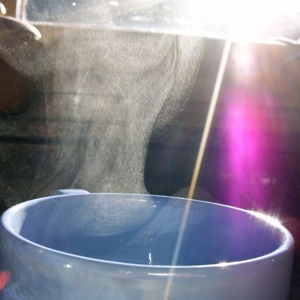
Evaporation is a vital process that shapes our planet, from the water cycle to the formation of weather patterns. It is a type of vaporization that occurs on the surface of a liquid as it changes into the gas phase, as explained in Vaporization processes. The rate of evaporation is influenced by various factors, including temperature, humidity, and wind speed, which are all interconnected with Atmospheric Science. As the molecules of the liquid collide, they transfer energy to each other based on how they collide, which is a fundamental concept in Thermodynamics. When a molecule near the surface absorbs enough energy to overcome the vapor pressure, it will escape and enter the surrounding air as a gas, contributing to the formation of Clouds and precipitation. Understanding evaporation is crucial for managing Water Resources and predicting Weather Patterns.
💧 The Science Behind Evaporation
The science behind evaporation is complex and involves the interaction of various physical and chemical processes. As the molecules of the liquid gain energy, they start to move faster and faster, eventually breaking free from the surface tension and turning into vapor, which is a key concept in Physical Chemistry. This process is influenced by the concentration of the evaporating substance in the surrounding gas, as well as the temperature and pressure of the environment, which are all related to Environmental Science. When the molecules of the liquid collide, they transfer energy to each other based on how they collide, which is a fundamental principle in Molecular Physics. The energy removed from the vaporized liquid will reduce the temperature of the liquid, resulting in evaporative cooling, which is an important process in Heat Transfer. Evaporative cooling is an essential mechanism for regulating the Earth's climate, and it plays a critical role in shaping our planet's weather patterns, including Climate Change.
🌟 Factors Affecting Evaporation Rates
Several factors affect evaporation rates, including temperature, humidity, wind speed, and solar radiation, which are all interconnected with Meteorology. A high concentration of the evaporating substance in the surrounding gas significantly slows down evaporation, such as when humidity affects the rate of evaporation of water, as explained in Hydrology. Temperature is also a critical factor, as higher temperatures provide more energy for the molecules to escape, which is a key concept in Thermodynamics. Wind speed and solar radiation also play important roles, as they can increase the rate of evaporation by providing more energy and removing the vaporized liquid from the surface, which is related to Renewable Energy. Understanding these factors is essential for predicting evaporation rates and managing water resources, including Water Conservation.
🌡️ Evaporative Cooling and Its Effects
Evaporative cooling is an important process that occurs when evaporation takes place, resulting in a reduction in temperature, which is a key concept in Heat Transfer. This process is essential for regulating the Earth's climate, and it plays a critical role in shaping our planet's weather patterns, including Climate Change. Evaporative cooling is also used in various industrial and commercial applications, such as cooling systems and air conditioners, which are related to Mechanical Engineering. The energy removed from the vaporized liquid will reduce the temperature of the liquid, resulting in a cooling effect, which is an important process in Thermal Management. This process is also important for managing water resources, as it helps to reduce the temperature of water bodies and prevent the growth of harmful algae, which is a key concept in Limnology.
🌈 Evaporation in Nature: Examples and Consequences
Evaporation occurs naturally in various environments, including oceans, lakes, and rivers, which are all interconnected with Hydrology. It is an essential process for the water cycle, as it helps to distribute water around the planet and regulate the Earth's climate, including Climate Change. Evaporation also plays a critical role in shaping our planet's weather patterns, including the formation of clouds and precipitation, which are related to Atmospheric Science. For example, evaporation from the oceans helps to form clouds, which can produce precipitation and influence the weather, including Weather Forecasting. Evaporation also occurs in plants, where it helps to regulate temperature and provide water for photosynthesis, which is a key concept in Botany. Understanding evaporation in nature is essential for managing water resources and predicting weather patterns, including Hydrologic Cycle.
🚨 Human Impact on Evaporation and the Environment
Human activities have a significant impact on evaporation and the environment, including the use of water resources, land use changes, and climate change, which are all interconnected with Environmental Science. The construction of dams and reservoirs can alter the natural flow of water and affect evaporation rates, which is related to Civil Engineering. Deforestation and land use changes can also impact evaporation, as they can reduce the amount of water available for evaporation and alter the local climate, including Ecology. Climate change is also affecting evaporation rates, as rising temperatures and changing precipitation patterns can alter the amount of water available for evaporation, which is a key concept in Climatology. Understanding the impact of human activities on evaporation is essential for managing water resources and mitigating the effects of climate change, including Sustainable Development.
🔬 Measuring Evaporation: Methods and Technologies
Measuring evaporation is essential for understanding the process and managing water resources, including Water Conservation. Various methods are used to measure evaporation, including pan evaporation, lysimeters, and eddy covariance, which are all related to Hydrology. Pan evaporation involves measuring the amount of water evaporated from a pan, while lysimeters measure the amount of water evaporated from a soil column, which is a key concept in Soil Science. Eddy covariance is a more advanced method that uses sensors to measure the flux of water vapor and energy, which is related to Atmospheric Science. These methods provide valuable data for understanding evaporation and managing water resources, including Water Management.
📊 Evaporation Data and Statistics: Understanding the Numbers
Evaporation data and statistics are essential for understanding the process and managing water resources, including Water Conservation. Various datasets are available, including satellite imagery and ground-based measurements, which are all interconnected with Remote Sensing. These datasets provide information on evaporation rates, water availability, and climate patterns, which are related to Climatology. Understanding these data is essential for predicting evaporation rates and managing water resources, including Hydrologic Cycle. For example, evaporation data can be used to predict droughts and floods, which can help to mitigate the effects of climate change, including Disaster Risk Reduction.
🌐 Global Evaporation Patterns and Trends
Global evaporation patterns and trends are essential for understanding the process and managing water resources, including Water Conservation. Evaporation rates vary across the globe, with higher rates in tropical and subtropical regions, which are related to Geography. The amount of evaporation also varies depending on the time of year, with higher rates during the summer months, which is a key concept in Seasonal Patterns. Understanding these patterns and trends is essential for managing water resources and predicting weather patterns, including Weather Forecasting. For example, evaporation data can be used to predict the formation of hurricanes and typhoons, which can help to mitigate the effects of climate change, including Climate Resilience.
👥 Evaporation Research and Future Directions
Evaporation research is ongoing, with scientists working to improve our understanding of the process and its impact on the environment, including Environmental Science. New technologies and methods are being developed to measure evaporation, including satellite imagery and ground-based sensors, which are related to Remote Sensing. These advancements will provide valuable data for understanding evaporation and managing water resources, including Water Management. Future research directions include studying the impact of climate change on evaporation rates and developing new methods for predicting evaporation, which is a key concept in Climatology. Understanding evaporation is essential for managing water resources and mitigating the effects of climate change, including Sustainable Development.
📚 Conclusion: The Importance of Evaporation in Environmental Science
In conclusion, evaporation is a vital process that shapes our planet, from the water cycle to the formation of weather patterns, including Climate Change. It is essential for regulating the Earth's climate and managing water resources, including Water Conservation. Understanding evaporation is crucial for predicting weather patterns and mitigating the effects of climate change, including Disaster Risk Reduction. As research continues to advance our understanding of evaporation, it is essential to apply this knowledge to manage water resources and protect the environment, including Environmental Protection.
Key Facts
- Year
- 2023
- Origin
- Ancient Civilizations
- Category
- Environmental Science
- Type
- Natural Process
Frequently Asked Questions
What is evaporation?
Evaporation is a type of vaporization that occurs on the surface of a liquid as it changes into the gas phase. It is an essential process for the water cycle and helps to regulate the Earth's climate. Evaporation occurs when the molecules of a liquid gain enough energy to break free from the surface tension and turn into vapor, which is a key concept in Physical Chemistry. This process is influenced by various factors, including temperature, humidity, and wind speed, which are all interconnected with Meteorology.
What factors affect evaporation rates?
Several factors affect evaporation rates, including temperature, humidity, wind speed, and solar radiation, which are all related to Environmental Science. A high concentration of the evaporating substance in the surrounding gas significantly slows down evaporation, such as when humidity affects the rate of evaporation of water, as explained in Hydrology. Temperature is also a critical factor, as higher temperatures provide more energy for the molecules to escape, which is a key concept in Thermodynamics.
What is evaporative cooling?
Evaporative cooling is an important process that occurs when evaporation takes place, resulting in a reduction in temperature, which is a key concept in Heat Transfer. This process is essential for regulating the Earth's climate and plays a critical role in shaping our planet's weather patterns, including Climate Change. Evaporative cooling is also used in various industrial and commercial applications, such as cooling systems and air conditioners, which are related to Mechanical Engineering.
How is evaporation measured?
Measuring evaporation is essential for understanding the process and managing water resources, including Water Conservation. Various methods are used to measure evaporation, including pan evaporation, lysimeters, and eddy covariance, which are all related to Hydrology. These methods provide valuable data for understanding evaporation and managing water resources, including Water Management.
What is the importance of evaporation in environmental science?
Evaporation is a vital process that shapes our planet, from the water cycle to the formation of weather patterns, including Climate Change. It is essential for regulating the Earth's climate and managing water resources, including Water Conservation. Understanding evaporation is crucial for predicting weather patterns and mitigating the effects of climate change, including Disaster Risk Reduction.
How does human activity impact evaporation?
Human activities have a significant impact on evaporation and the environment, including the use of water resources, land use changes, and climate change, which are all interconnected with Environmental Science. The construction of dams and reservoirs can alter the natural flow of water and affect evaporation rates, which is related to Civil Engineering. Deforestation and land use changes can also impact evaporation, as they can reduce the amount of water available for evaporation and alter the local climate, including Ecology.
What are the future directions for evaporation research?
Evaporation research is ongoing, with scientists working to improve our understanding of the process and its impact on the environment, including Environmental Science. New technologies and methods are being developed to measure evaporation, including satellite imagery and ground-based sensors, which are related to Remote Sensing. These advancements will provide valuable data for understanding evaporation and managing water resources, including Water Management. Future research directions include studying the impact of climate change on evaporation rates and developing new methods for predicting evaporation, which is a key concept in Climatology.