
Contents
- 🎵 Origins & History
- ⚙️ How It Works
- 📊 Key Facts & Numbers
- 👥 Key People & Organizations
- 🌍 Cultural Impact & Influence
- ⚡ Current State & Latest Developments
- 🤔 Controversies & Debates
- 🔮 Future Outlook & Predictions
- 💡 Practical Applications
- 📚 Related Topics & Deeper Reading
- Frequently Asked Questions
- References
- Related Topics
Overview
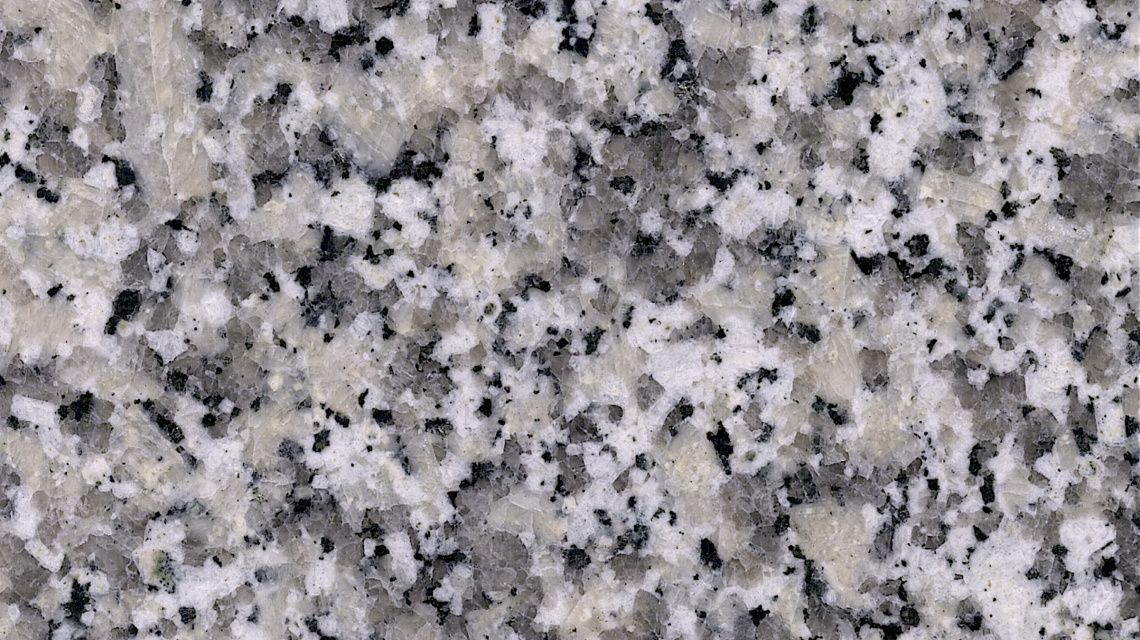
The genesis of granite lies deep within the Earth's mantle, where molten magma, enriched with silica and alkali metals, slowly crystallizes over eons. This process, occurring miles beneath the surface, allows for the formation of large, interlocking crystals of quartz, feldspar, and mica, giving granite its distinctive granular texture. Historically, humans have quarried this durable stone since antiquity, with evidence of its use found in ancient Egyptian tombs and Roman structures, such as the Pantheon. The sheer abundance of granite across continental crusts, particularly in regions like the Canadian Shield and the Scandinavian Mountains, made it an accessible and favored building material for millennia, shaping early human settlements and monumental works. Its geological persistence, often forming the core of mountain ranges like the Sierra Nevada, underscores its role as a fundamental component of Earth's lithosphere.
⚙️ How It Works
Granite's formation is a testament to slow, subterranean cooling. Magma, a molten silicate rock mixture, begins to solidify as it ascends through the crust but cools too slowly to erupt. This protracted cooling period, often spanning hundreds of thousands to millions of years, allows mineral crystals to grow to visible sizes, a texture known as phaneritic. The primary constituents are quartz, which provides hardness and a glassy appearance, and feldspar (both alkali feldspar and plagioclase), which contributes to its color variations from white and pink to gray. Mica minerals, such as biotite and muscovite, are also common, adding flecks of black or silver. The specific proportions of these minerals, classified using the QAPF diagram, determine the precise type of granite, with true granite being rich in quartz and alkali feldspar. This interlocking crystalline matrix is what imbues granite with its exceptional strength and resistance to weathering, making it a geologically stable rock.
📊 Key Facts & Numbers
Globally, granite deposits are vast, estimated to constitute a significant portion of the Earth's continental crust. The global granite market was valued at approximately $35 billion USD in 2023, with projections indicating steady growth. China and India are leading producers, accounting for over 60% of the world's quarried granite, with Brazil and Italy also being major players. The average price for granite slabs can range from $40 to $200 per square foot, depending on rarity, color, and origin. Annual production exceeds 10 million metric tons, with the construction industry consuming the largest share, estimated at over 70%. The decorative stone market alone sees over 5 million tons of granite processed annually, highlighting its enduring appeal in both structural and aesthetic applications.
👥 Key People & Organizations
While granite itself is a geological formation, its extraction, processing, and cultural significance involve numerous individuals and organizations. The International Organization for Standardization has developed standards for granite testing and classification (e.g., ISO 12640). Major quarrying and processing companies like Cosentino Group (Spain), Caesarstone (Israel), and Cambria (USA) dominate the global market, often blending natural granite with resins and pigments to create engineered quartz products that mimic granite's appearance. Geologists like Alfred Wegener, whose theories on continental drift helped explain the distribution of granitic rocks, and Reginald Daly, who proposed the assimilation theory for granite formation, have been pivotal in understanding its origins. The Geological Society of America and similar bodies regularly publish research on granite petrology and its role in tectonic processes.
🌍 Cultural Impact & Influence
Granite's cultural resonance is profound, often symbolizing permanence, strength, and luxury. From the imposing Mount Rushmore sculptures to the ubiquitous kitchen countertops in homes worldwide, granite has been a material of choice for monuments, public buildings, and domestic spaces for centuries. Its use in funerary monuments, such as the Lincoln Memorial's base and countless gravestones, reinforces its association with remembrance and enduring legacy. In art, sculptors have long favored granite for its durability, allowing for intricate carvings that withstand the test of time. The aesthetic diversity of granite, with its myriad colors and patterns, has also fueled its popularity in interior design, making it a status symbol in many cultures, particularly from the late 20th century onwards with the rise of home renovation trends popularized by television shows on HGTV.
⚡ Current State & Latest Developments
The contemporary granite industry is a dynamic global enterprise, heavily influenced by technological advancements in quarrying and fabrication. Automated cutting and polishing techniques, often employing CNC machinery, have increased efficiency and precision. The rise of engineered stone, particularly engineered quartz, has presented both competition and collaboration, with many companies now offering both natural granite and composite materials. Sustainability is also a growing concern, with efforts focused on reducing water usage in quarrying and minimizing the carbon footprint of transportation. Innovations in resin treatments and sealants continue to enhance granite's stain and scratch resistance, maintaining its appeal against newer materials. The market continues to see robust demand, particularly in emerging economies and for high-end residential and commercial projects.
🤔 Controversies & Debates
The extraction of granite is not without controversy. Environmental concerns include habitat disruption, dust pollution, and significant water consumption during quarrying operations. The energy-intensive process of transporting heavy granite slabs across continents also contributes to its carbon footprint. Furthermore, labor practices in some major producing countries, particularly India and China, have faced scrutiny regarding worker safety and fair wages, with reports of exploitative conditions in some quarries. The debate over granite versus engineered stone also persists, with proponents of natural granite emphasizing its unique geological origin and aesthetic, while advocates for engineered quartz highlight its consistency, lower maintenance, and often more controlled manufacturing process. The long-term durability and potential for silica dust exposure during fabrication also remain points of discussion among health and safety professionals.
🔮 Future Outlook & Predictions
The future of granite usage will likely be shaped by a confluence of technological innovation, environmental consciousness, and evolving consumer preferences. Expect further advancements in quarrying efficiency and waste reduction, potentially including closed-loop water systems and more localized processing. The development of advanced composite materials that mimic granite's beauty with enhanced performance and reduced environmental impact will continue to challenge natural granite's market share. However, the inherent geological uniqueness and timeless appeal of natural granite suggest it will retain a significant niche, especially in luxury markets and heritage projects. Research into novel sealing technologies and sustainable extraction methods will be crucial for its continued viability. The geological community will also continue to leverage granite formations for insights into plate tectonics and Earth's deep crustal processes.
💡 Practical Applications
Granite's applications are remarkably diverse, stemming from its durability and aesthetic qualities. In construction, it's widely used for building facades, paving stones, monuments, and structural elements due to its compressive strength. Its most common domestic application is as countertops and vanities in kitchens and bathrooms, prized for its heat resistance and unique patterns. It also serves as a material for flooring, stair treads, and decorative cladding. In landscaping, granite is used for retaining walls, garden paths, and decorative features. Historically, it was crucial for millstones and tools due to its hardness. Modern applications also include crushed granite for road base and railway ballast, demonstrating its utility beyond decorative purposes.
Key Facts
- Year
- Formed over geological time scales (millions of years)
- Origin
- Global (found in continental crusts worldwide)
- Category
- nature
- Type
- concept
Frequently Asked Questions
What exactly is granite and how is it formed?
Granite is a coarse-grained intrusive igneous rock formed from magma that cools and solidifies deep within the Earth's crust. This slow cooling process allows large, interlocking crystals of quartz, feldspar, and mica to form, giving granite its characteristic granular texture and exceptional strength. The magma must be rich in silica and alkali metals for granite to form, and its composition is classified using the QAPF diagram, with true granite being high in quartz and alkali feldspar. Its formation is a testament to slow geological processes occurring over hundreds of thousands to millions of years.
Why is granite so popular for countertops and buildings?
Granite's popularity stems from its remarkable durability, hardness, and resistance to heat, scratches, and stains, making it an ideal material for high-traffic areas like kitchens and for long-lasting structures. Its unique, natural patterns and wide range of colors offer aesthetic appeal that many find luxurious and timeless. Furthermore, its geological abundance and the development of efficient quarrying and fabrication techniques have made it relatively accessible, despite its premium perception. These factors combined ensure its continued preference in both residential and commercial applications where longevity and visual appeal are paramount.
What are the main environmental and ethical concerns associated with granite?
The primary environmental concerns include habitat disruption, dust pollution (particularly silica dust during fabrication), and significant water consumption during quarrying. The energy required for transporting heavy granite slabs globally also contributes to its carbon footprint. Ethically, there are ongoing concerns regarding worker safety and fair labor practices in some major producing countries, with reports of exploitative conditions. The debate also extends to the sustainability of quarrying versus the longevity of the material itself, and the impact of engineered stone alternatives.
How does granite compare to engineered stone like quartz?
Natural granite is a product of geological processes, offering unique, unrepeatable patterns and a natural aesthetic, but it requires sealing and can be prone to staining if not properly maintained. Engineered quartz, on the other hand, is manufactured by combining natural quartz crystals with resins and pigments, resulting in a highly consistent product that is exceptionally durable, non-porous, and virtually maintenance-free. While quartz often offers superior stain resistance and uniformity, some consumers prefer the natural variation and geological history inherent in granite. Both materials are durable and suitable for countertops, with the choice often coming down to aesthetic preference, maintenance tolerance, and price point.
Is granite a sustainable material?
Granite's sustainability is a complex issue. On one hand, its extreme durability means structures and surfaces made from granite can last for centuries, reducing the need for frequent replacement and thus minimizing waste and resource consumption over the long term. However, the extraction process itself can be environmentally disruptive, involving significant land use, water consumption, and energy expenditure for quarrying and transportation. While it's a natural material formed over geological time, the modern scale of extraction and global shipping raises questions about its overall environmental footprint compared to locally sourced or recycled materials. Efforts are underway to improve quarrying practices and reduce transportation impacts.
How do I care for and maintain granite countertops?
Proper care for granite countertops involves regular cleaning with a pH-neutral cleaner specifically designed for natural stone, avoiding harsh chemicals like bleach, ammonia, or abrasive scrubbers that can damage the sealant or etch the stone. It's crucial to wipe up spills immediately, especially acidic liquids like wine, citrus juice, or vinegar, which can etch the surface. Most granite countertops are sealed during installation to protect against stains; this sealant typically needs to be reapplied every 1-3 years, depending on usage and the type of sealant used. A simple water test can determine if resealing is needed: if water beads up, the seal is intact; if it soaks in, it's time to reseal.
What are the most sought-after colors and types of granite?
The most sought-after granite colors often include classic whites and grays like 'White Galaxy' or 'Steel Gray,' deep blacks such as 'Black Galaxy' or 'Absolute Black,' and rich earth tones like 'Ubatuba' or 'Tan Brown.' Exotic granites with unique veining, crystalline structures, and vibrant colors, such as blues ('Blue Bahia') or greens ('Verde Butterfly'), also command high prices and demand. The rarity of certain patterns and the geological origin of the stone significantly influence desirability and cost. For instance, granites with dramatic movement and complex mineral inclusions are often more prized than those with uniform patterns.