
Contents
Overview
The understanding of hemoglobinopathies is deeply intertwined with the history of human migration and adaptation, particularly in response to malaria. While the genetic basis of sickle cell disease was elucidated by Linus Pauling and his colleagues in 1949, identifying the molecular difference between normal and sickle hemoglobin, the broader category of hemoglobinopathies has a longer, more observational history. Early descriptions of conditions like thalassemia date back to the late 19th and early 20th centuries, with physicians in Mediterranean regions noting recurrent severe anemia in children. The realization that these were inherited conditions, rather than infectious diseases, was a gradual process. The discovery of hemoglobin C in 1950 and hemoglobin E in 1954 further expanded the known spectrum of structural variants. The advent of hemoglobin electrophoresis in the 1950s revolutionized diagnosis, allowing for the identification of different hemoglobin types and paving the way for population genetics studies that mapped their distribution, often correlating with areas of high malaria endemicity, a phenomenon explained by heterozygote advantage.
⚙️ How It Works
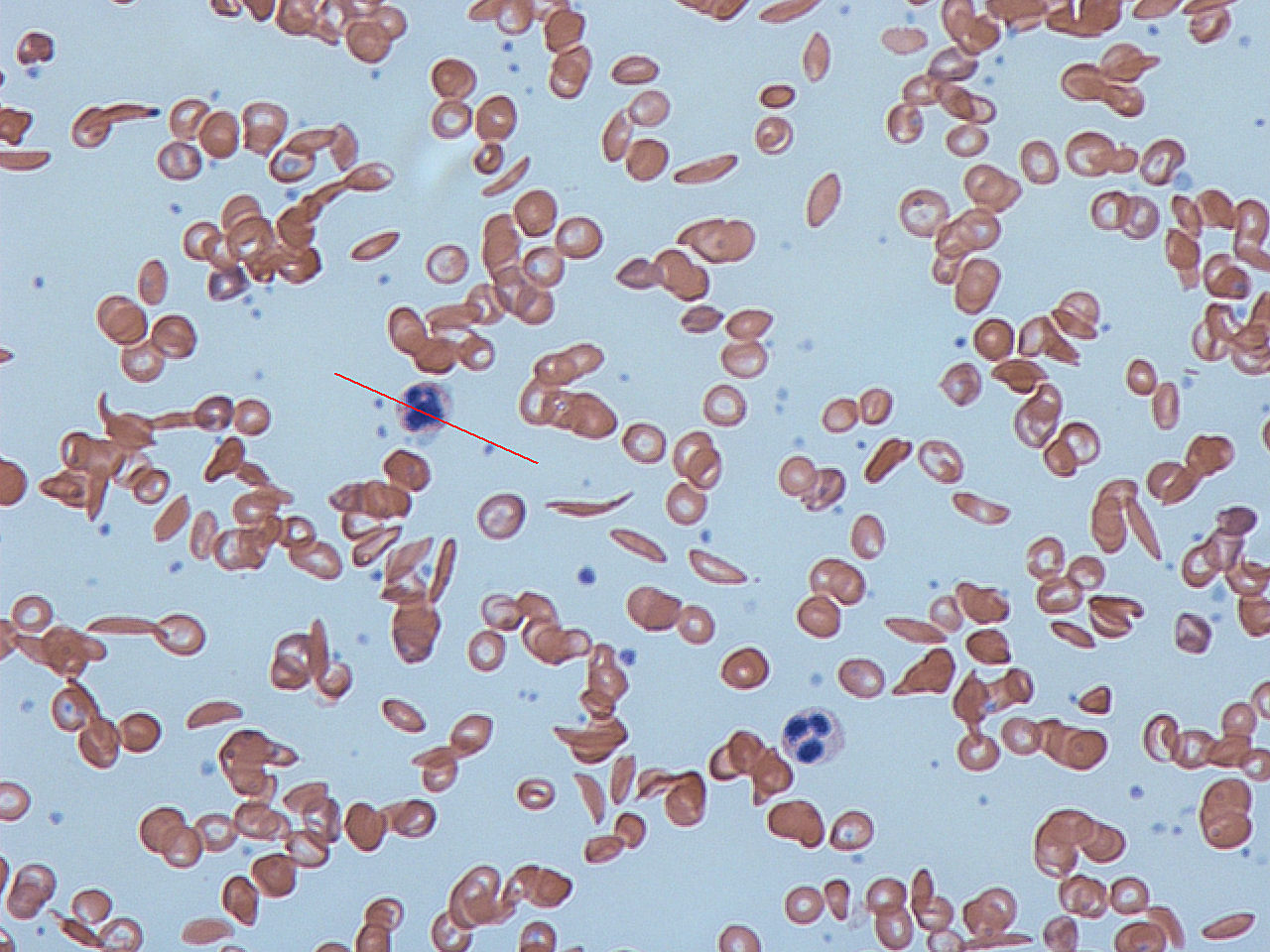
At its core, a hemoglobinopathy arises from mutations in the genes encoding the globin chains that make up hemoglobin. Hemoglobin, primarily hemoglobin A (HbA) in adults, consists of two alpha-globin and two beta-globin chains, each bound to a heme group containing iron. In structural variants like sickle cell disease, a single point mutation in the beta-globin gene (HBB) leads to the substitution of a single amino acid—glutamic acid for valine at the sixth position—resulting in hemoglobin S (HbS). Under low oxygen conditions, HbS polymerizes, distorting red blood cells into a sickle shape, which impairs blood flow and causes vaso-occlusion. Thalassemias, conversely, are quantitative disorders. Alpha-thalassemias involve reduced or absent synthesis of alpha-globin chains, while beta-thalassemias involve reduced or absent synthesis of beta-globin chains. This imbalance leads to ineffective erythropoiesis and hemolysis, causing anemia. Compound heterozygotes, such as those with sickle-beta-thalassemia, inherit different abnormal hemoglobin genes, leading to complex clinical presentations.
📊 Key Facts & Numbers
Globally, it is estimated that over 300,000 babies are born each year with severe hemoglobin disorders, primarily sickle cell disease and thalassemias. Approximately 7% of the world's population carries a hemoglobin gene mutation, with higher carrier rates in specific ethnic groups: up to 25% in some African populations for sickle cell trait, and significant carrier frequencies for thalassemia in Mediterranean, Middle Eastern, and Southeast Asian populations. Sickle cell disease alone affects an estimated 20 million people worldwide. The economic burden is substantial, with the lifetime cost of managing sickle cell disease in the United States alone estimated to be over $1 million per patient. In regions like the United Kingdom, the prevalence of sickle cell disease has risen by 20% in the last decade due to immigration patterns. The global market for sickle cell disease therapeutics was valued at approximately $2.5 billion in 2022 and is projected to grow significantly.
👥 Key People & Organizations
Pioneering figures in the study of hemoglobinopathies include Linus Pauling, whose 1949 work identified sickle cell disease as a molecular disease. Ernst Boch-ernst and Hugo Theodor Simon were early researchers in thalassemia. Key organizations driving research and patient advocacy include the Sickle Cell Disease Association of America (SCDAA), the Thalassemia International Federation (TIF), and the World Health Organization (WHO), which has recognized sickle cell disease as a major global health challenge. Research institutions like the St. Jude Children's Research Hospital and the National Institutes of Health (NIH) in the United States, along with numerous centers globally, are at the forefront of developing new diagnostic and therapeutic strategies, including gene therapy and bone marrow transplantation.
🌍 Cultural Impact & Influence
Hemoglobinopathies have profoundly shaped cultural narratives, particularly in communities most affected by sickle cell disease. The sickle cell trait has been woven into the folklore and identity of many African and African diaspora communities, sometimes viewed as a mark of resilience or a biological legacy of ancestral environments. The disease has inspired literature, music, and art, reflecting the lived experiences of patients and families. Public health campaigns, often spearheaded by patient advocacy groups like the SCDAA, have raised awareness and reduced stigma, though challenges remain. The global distribution of these disorders has also influenced medical research priorities and public health policies, particularly in countries like India, where thalassemia is a significant concern, and in the Caribbean nations. The development of newborn screening programs for sickle cell disease in countries like the United States and United Kingdom has been a major public health achievement, altering the trajectory of care for affected individuals.
⚡ Current State & Latest Developments
The landscape of hemoglobinopathy treatment is rapidly evolving. In 2019, the FDA approved crizanlizumab (Adakveo), a monoclonal antibody that reduces vaso-occlusive crises in sickle cell disease. More recently, in December 2023, the FDA approved exagamglogene autotemcel (Casgevy) and lovotibeglogene autotemcel (Lyfgenia), the first gene therapies for sickle cell disease. These therapies involve editing a patient's own stem cells to produce functional hemoglobin or to reactivate fetal hemoglobin production. For thalassemia, bone marrow transplantation remains a curative option, but its accessibility is limited. Research continues into less invasive gene editing techniques and novel pharmacological approaches to manage symptoms and prevent complications across the spectrum of hemoglobin disorders. The global push for equitable access to these advanced therapies is a critical ongoing development.
🤔 Controversies & Debates
A significant controversy surrounds the equitable distribution and affordability of advanced treatments, particularly gene therapies, for hemoglobinopathies. While groundbreaking, therapies like Casgevy come with price tags exceeding $2 million per patient, raising serious concerns about access for individuals in low- and middle-income countries where the burden of disease is highest. The historical underfunding of sickle cell disease research compared to other genetic disorders, often attributed to racial bias, is another point of contention. Furthermore, debates persist regarding the optimal management strategies for milder forms of thalassemia and sickle cell trait, balancing the risks of intervention against potential long-term health consequences. The ethical implications of gene editing technologies, especially concerning germline editing, also remain a subject of intense discussion within the scientific and public spheres.
🔮 Future Outlook & Predictions
The future of hemoglobinopathy management points towards increasingly personalized and curative approaches. Gene editing technologies, such
Key Facts
- Category
- science
- Type
- topic