
Contents
Overview
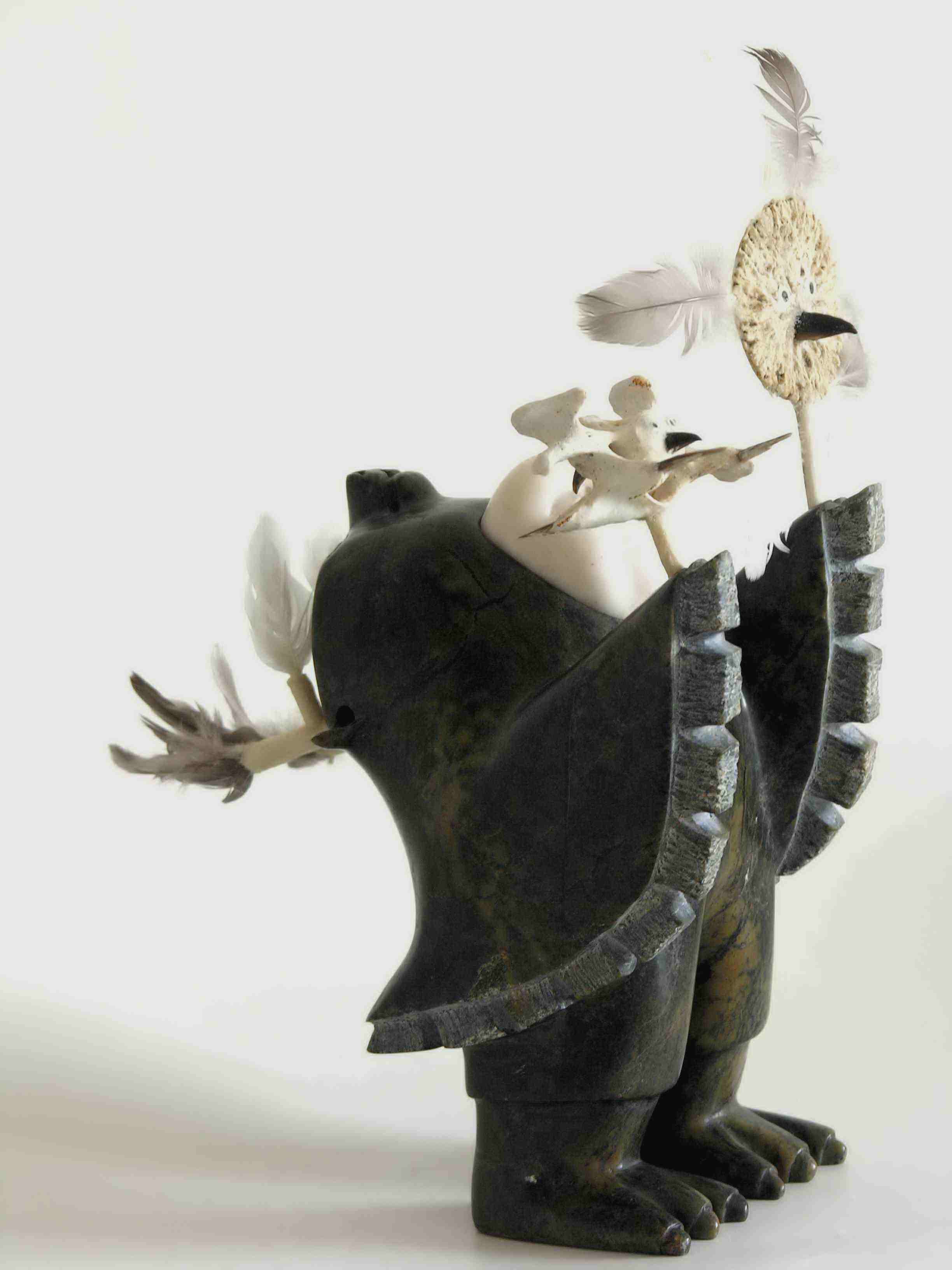
The genesis of Inuit art is deeply rooted in millennia of Indigenous cultural practices across the Arctic. Early forms, dating back thousands of years, were functional objects and small carvings, often made from bone, ivory, and stone, serving spiritual, shamanic, and practical purposes. These artifacts, unearthed from archaeological sites like Dorset and Thule settlements, provide a tangible link to the ancestral lives and beliefs of the Inuit. The significant shift towards a market-driven art form began in the mid-20th century, notably around 1945, when southern Canadian galleries and collectors began to actively seek out and purchase Inuit carvings. This period saw the emergence of key artistic communities, such as Cape Dorset (now Kinngait), which became a hub for printmaking and sculpture, transforming the economic landscape for many Inuit communities and fostering a new generation of artists.
⚙️ How It Works
Inuit art is characterized by its diverse mediums and techniques, adapted to the Arctic environment and evolving market demands. Traditionally, walrus ivory and bone were primary materials, allowing for intricate carvings of animals, spirits, and human figures. The introduction of southern markets in the mid-20th century led to the widespread adoption of carving in soapstone, serpentinite, and argillite, stones readily available in many Arctic regions. These softer stones are amenable to detailed sculpting and polishing, enabling artists to create expressive figurative works. Printmaking, particularly in Cape Dorset, became another dominant medium, with techniques like stonecut, stencil, and etching producing vibrant graphic works often depicting scenes from Inuit mythology, daily life, and the natural world. The process often involves collaboration, with carvers and printmakers working with studio assistants and master printers to realize complex artistic visions.
📊 Key Facts & Numbers
The global market for Inuit art is substantial, with sales reaching millions of dollars annually. The Winnipeg Art Gallery boasts the world's largest public collection, holding over 14,000 works. Between 1950 and 1970, the value of Inuit art sales saw exponential growth, driven by demand from collectors and institutions. For instance, prints from Cape Dorset have consistently fetched high prices, with some limited editions selling for thousands of dollars. The Inuit Art Foundation, established in 1981, plays a crucial role in promoting and supporting Inuit artists, with an annual budget that facilitates exhibitions and artist residencies. Approximately 70% of Inuit households in Nunavut are involved in some aspect of the arts economy, highlighting its critical importance to regional livelihoods.
👥 Key People & Organizations
Several key individuals and organizations have been instrumental in shaping the trajectory of Inuit art. James Houston, a Canadian artist and writer, played a pivotal role in promoting Inuit art to a wider audience, co-founding the Inuit Art Foundation and documenting its early development. Artists like Kenojuak Ashevak, renowned for her iconic print "Enchanted Owl," and Pudlo Pudlat, celebrated for his imaginative drawings and prints, have achieved international acclaim. The Inuit Art Organization of Canada (now Inuit Art Foundation) has been vital in advocating for artists' rights and market development. Galleries such as the Feheley Fine Arts in Toronto and the Spirit Wrestler Gallery in Vancouver are dedicated to showcasing and selling contemporary Inuit art, connecting artists with global collectors.
🌍 Cultural Impact & Influence
Inuit art has profoundly influenced global perceptions of Indigenous cultures and the Arctic. It has provided a powerful visual language for Inuit identity, spirituality, and resilience, challenging colonial narratives and asserting cultural sovereignty. The art has been exhibited in major institutions worldwide, including the Tate Modern in London and the Metropolitan Museum of Art in New York, garnering critical acclaim and fostering cross-cultural understanding. Beyond the fine art world, Inuit motifs and aesthetics have inspired fashion designers, product manufacturers, and graphic artists, embedding Arctic imagery into broader popular culture. The success of Inuit artists has also inspired other Indigenous art movements globally, demonstrating the economic and cultural power of artistic expression.
⚡ Current State & Latest Developments
The contemporary Inuit art scene is dynamic, marked by continued innovation and engagement with global art trends. Artists are increasingly exploring new mediums, digital technologies, and conceptual approaches, pushing the boundaries of traditional forms. The Inuit Art Foundation continues to be a central force, supporting emerging artists and facilitating international exhibitions. Recent developments include a growing focus on artist-led initiatives and community-based art projects that prioritize Indigenous voices and perspectives. The ongoing dialogue between traditional Inuit values and contemporary artistic practices ensures that Inuit art remains a vibrant and evolving cultural force, with new works constantly emerging from communities across Nunavut and Nunavik.
🤔 Controversies & Debates
The art market for Inuit art faces ongoing debates regarding authenticity, attribution, and fair compensation for artists. Concerns have been raised about the exploitation of artists, particularly in the early days of the market, and the potential for cultural appropriation. The distinction between "Inuit art" and art made by non-Inuit artists depicting Inuit themes is a persistent point of discussion. Furthermore, the economic sustainability of art production in remote Arctic communities remains a challenge, with issues of access to materials, shipping costs, and market volatility frequently debated. The ethical considerations surrounding the collection and display of Indigenous art in southern institutions are also a significant area of contention, prompting calls for repatriation and greater community control.
🔮 Future Outlook & Predictions
The future of Inuit art appears robust, driven by a new generation of artists who are both deeply connected to their heritage and globally aware. We can anticipate further exploration of digital art forms, augmented reality installations, and interdisciplinary collaborations. The increasing presence of Inuit curators and art historians within major institutions will likely lead to more nuanced and authentic representations of Inuit artistic traditions. Economically, the art market is expected to continue its growth, with a greater emphasis on direct artist-to-collector sales and community-owned art enterprises. The ongoing efforts to establish and support Indigenous-led art organizations will be crucial in ensuring the long-term vitality and self-determination of Inuit artists and their creative output.
💡 Practical Applications
Inuit art serves multiple practical functions beyond its aesthetic and cultural value. It is a significant source of income for many Inuit communities, providing economic opportunities in regions with limited employment options. The art is widely collected by individuals, galleries, and institutions worldwide, contributing to the global art market. Furthermore, Inuit art is frequently used in educational contexts to teach about Arctic cultures, history, and environmental issues. Specific pieces are commissioned for public spaces, corporate offices, and government buildings, serving as cultural ambassadors. The intricate carvings and prints also act as visual records, preserving and transmitting traditional knowledge, stories, and spiritual beliefs across generations, making them invaluable cultural archives.
Key Facts
- Category
- culture
- Type
- topic