
Contents
Overview
The genesis of the Nurse Practitioner role can be traced back to the mid-1960s, a period marked by a critical shortage of physicians, particularly in primary care. Dr. Henry Silver and Loretta Ford, a pediatrician and a public health nurse respectively, are widely credited with establishing the first NP program at the University of Colorado in 1965. Their innovative model aimed to train nurses to assume expanded responsibilities, thereby increasing access to healthcare for children and families. Early NP programs focused on pediatric and family care, laying the groundwork for future specialization. By the 1970s, the concept had gained traction, leading to the establishment of numerous NP programs across the United States and influencing the development of similar advanced practice roles globally, including in countries like Australia and Canada. The evolution from a physician-extender model to an independent provider role has been a defining characteristic of the NP's historical trajectory.
⚙️ How It Works
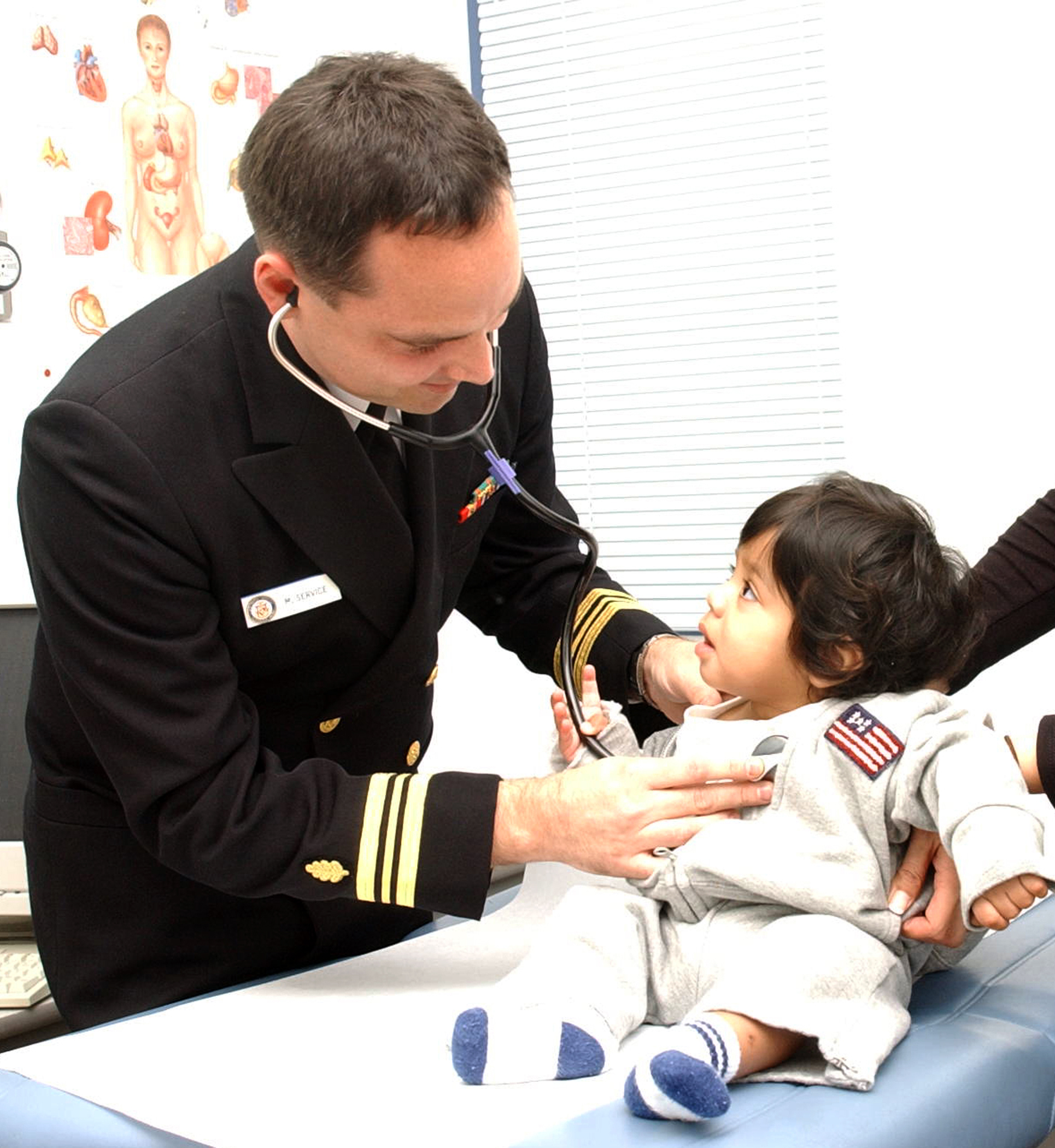
Nurse Practitioners function as autonomous healthcare providers, operating within a defined scope of practice that varies by state and country. Their core competencies include conducting physical examinations, taking detailed patient histories, and performing diagnostic reasoning to identify health conditions. NPs are authorized to order and interpret a wide array of diagnostic tests, such as laboratory work, X-rays, and EKGs, much like physicians. A significant aspect of their role involves prescribing medications, including controlled substances in many jurisdictions, and developing comprehensive treatment plans that may encompass lifestyle modifications, therapies, and referrals. Their training emphasizes a holistic approach, integrating patient education, counseling, and care coordination to manage acute and chronic illnesses effectively, often focusing on preventative care and patient empowerment.
📊 Key Facts & Numbers
The impact of Nurse Practitioners on the healthcare landscape is substantial and growing. In the United States, over 300,000 NPs were practicing as of 2023, representing a significant portion of the healthcare workforce. Studies have shown that NPs can manage 80-90% of primary care services typically provided by physicians, often at a lower cost. For instance, a 2018 study published in the Journal of the American Medical Association (JAMA) indicated that NPs provide care to millions of Americans annually, particularly in rural and underserved areas where physician access is limited. The demand for NPs is projected to increase by 45% between 2019 and 2029, according to the U.S. Bureau of Labor Statistics, highlighting their critical role in addressing healthcare workforce shortages. Globally, the number of NPs and similar advanced practice nurses is also on the rise, with countries like the United Kingdom and New Zealand actively expanding their NP roles.
👥 Key People & Organizations
Key figures instrumental in shaping the Nurse Practitioner profession include Loretta Ford and Henry Silver, who co-founded the first NP program. Other influential organizations include the American Association of Nurse Practitioners (AANP), a leading professional organization advocating for NP practice, policy, and education, and the National Organization of Nurse Practitioner Faculties (NONPF), which sets educational standards. The American Nurses Credentialing Center (ANCC) and the Adult Gerontology Nurse Practitioner Certification Board (AGNPBC) are prominent bodies that provide essential certification for NPs. These organizations, alongside numerous academic institutions like Johns Hopkins University and the University of Pennsylvania, play a crucial role in advancing NP education, research, and practice standards.
🌍 Cultural Impact & Influence
The cultural resonance of the Nurse Practitioner role lies in its embodiment of the nursing ethos—compassion, patient advocacy, and holistic care—combined with expanded clinical authority. NPs have become a symbol of accessible, high-quality healthcare, particularly for populations facing barriers to traditional medical services. Their presence in communities, often serving as the primary point of contact for health needs, fosters trust and continuity of care. The increasing visibility of NPs in media and public discourse reflects their growing integration into the healthcare system. Furthermore, the NP model has influenced discussions about interprofessional collaboration and the optimal utilization of healthcare professionals, challenging traditional hierarchical structures and promoting a more patient-centered approach to health delivery.
⚡ Current State & Latest Developments
As of 2024, Nurse Practitioners are experiencing a period of significant growth and evolving practice authority. Many U.S. states have moved towards granting NPs full practice authority, allowing them to practice independently without physician supervision, a trend championed by organizations like the AANP. This expansion is driven by the need to improve healthcare access, particularly in primary care and rural areas, and to manage the increasing demand for healthcare services. Recent legislative efforts in states like California and Florida aim to further broaden NP scope of practice. Simultaneously, educational programs are continuously updating curricula to reflect the latest advancements in medicine and healthcare delivery, with a growing emphasis on specialization in areas like mental health, cardiology, and oncology.
🤔 Controversies & Debates
The scope of practice for Nurse Practitioners remains a focal point of debate within the healthcare industry. Physician groups, such as the American Medical Association (AMA), often advocate for physician oversight, citing concerns about patient safety and the depth of training. They argue that NPs, while valuable, do not possess the same breadth and depth of medical education as physicians. Conversely, NP organizations like the AANP strongly advocate for full practice authority, presenting evidence from numerous studies demonstrating that NPs provide safe, high-quality care and that expanded scope does not compromise patient outcomes. This ongoing controversy highlights the tension between traditional medical hierarchies and the evolving roles of advanced practice providers in meeting healthcare demands.
🔮 Future Outlook & Predictions
The future outlook for Nurse Practitioners is exceptionally bright, characterized by increasing autonomy and expanded roles. Projections indicate continued demand growth, with NPs expected to play an even more central role in primary care and specialty services. The trend towards full practice authority is likely to accelerate, particularly in response to physician shortages and the growing need for accessible healthcare. We can anticipate further specialization within the NP field, with more NPs pursuing advanced certifications in niche areas. Furthermore, NPs are poised to take on greater leadership roles in healthcare policy, administration, and research, shaping the future of healthcare delivery and advocating for patient-centered models of care. The integration of telehealth and digital health technologies will also continue to expand the reach and impact of NPs.
💡 Practical Applications
Nurse Practitioners are actively engaged in a wide range of practical applications across the healthcare spectrum. They provide essential primary care services in clinics, hospitals, and community health centers, managing common acute illnesses and chronic conditions like diabetes, hypertension, and asthma. NPs also specialize in various fields, offering advanced care in areas such as cardiology, dermatology, endocrinology, and women's health. In mental health, NPs are crucial in diagnosing and treating psychiatric disorders, prescribing psychotropic medications, and providing therapy. Their role extends to emergency departments, intensive care units, and surgical settings, where they assist in patient management and critical care. The increasing use of telehealth platforms has further expanded their reach, allowing NPs to consult with patients remotely, conduct virtual visits, and manage care across geographical barriers.
Key Facts
- Category
- science
- Type
- topic