
Contents
Overview
The genesis of piano techniques is inseparable from the instrument's own evolution, beginning with precursors like the harpsichord and clavichord in the late medieval and Renaissance periods. Early keyboard players developed techniques focused on discrete note production and ornamentation, as these instruments lacked the dynamic range of the piano. Composers like Muzio Clementi and Johann Ladislaus Dussek were among the first to explore the pianoforte's expressive capabilities, developing foundational exercises and sonatas that demanded greater finger independence and dynamic control. The Classical era, with composers like Mozart and Beethoven, further refined these techniques, emphasizing clarity, balance, and emotional depth. The Romantic era saw an explosion in technical virtuosity, driven by composers such as Chopin, Liszt, and Rachmaninoff, who pushed the instrument's limits with complex harmonies, rapid passagework, and profound emotional expression, leading to the development of techniques like the octave tremolo and wide arpeggiated chords.
⚙️ How It Works
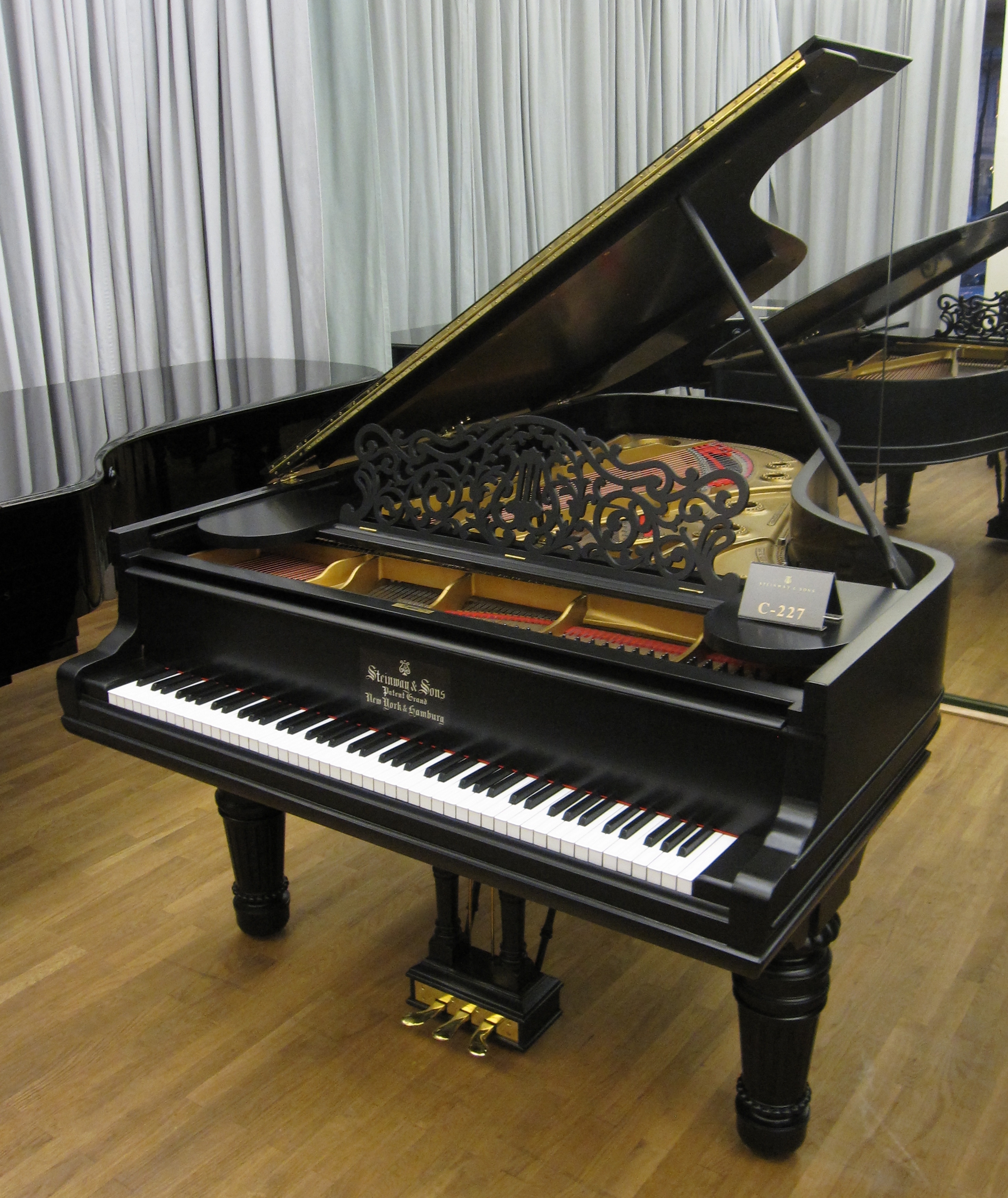
At its core, piano technique is about translating intention into sound via the piano's intricate mechanism. When a pianist strikes a key, a complex chain reaction occurs: a lever system lifts a hammer, which strikes a string (or set of strings for most notes). The speed and force with which the hammer strikes, determined by the pianist's touch, dictate the volume and timbre of the note. Pedal usage is another crucial technique; the sustain pedal lifts all dampers, allowing strings to vibrate sympathetically and creating a richer, more resonant sound, while the una corda pedal shifts the hammer mechanism to strike fewer strings, producing a softer, more muted tone. Finger dexterity, developed through rigorous practice of scales, arpeggios, and etudes by composers like Carl Czerny, is fundamental for executing rapid passages and intricate melodic lines. Articulation, the way notes are connected or separated, is controlled by the duration and release of key presses, distinguishing between a smooth legato (connected) and a crisp staccato (detached) sound. Posture and hand shape are also vital, influencing efficiency, endurance, and the ability to produce a wide range of tonal colors.
📊 Key Facts & Numbers
The International Piano Competition circuit sees hundreds of aspiring pianists compete annually.
👥 Key People & Organizations
Key figures in the development and popularization of piano techniques include Muzio Clementi and Carl Czerny, who wrote seminal etudes that became standard pedagogical tools for generations. Virtuosos of the Romantic era, such as Franz Liszt and Chopin, embodied and advanced technical possibilities, influencing countless pianists. Later figures like Alfred Cortot and Heinrich Neuhaus were influential teachers who codified and transmitted advanced techniques. Organizations like the Juilliard School, the Moscow Conservatory, and the Royal Academy of Music are crucial institutions for training pianists and preserving these techniques. The Van Cliburn International Piano Competition and the Chopin Competition serve as vital platforms for showcasing and advancing piano artistry globally.
🌍 Cultural Impact & Influence
The virtuosity demanded by Romantic-era composers like Liszt and Rachmaninoff set new benchmarks for technical prowess. Piano techniques have permeated jazz, blues, pop music, and film scores. The improvisational techniques developed in jazz, for instance, often build upon classical piano foundations, adding harmonic complexity and rhythmic syncopation. The ubiquity of the piano in popular culture, from smoky jazz clubs to grand concert halls and home living rooms, underscores its enduring appeal. The visual and auditory spectacle of a skilled pianist performing complex pieces has become an iconic representation of musical artistry, contributing to a global 'vibe' of sophistication and emotional depth.
⚡ Current State & Latest Developments
In 2024, piano techniques continue to evolve, influenced by digital technology and cross-genre collaborations. AI is beginning to analyze and even generate piano performances, raising questions about authorship and the future of human artistry. The rise of YouTube and other streaming platforms has democratized access to piano education and performance, with countless tutorials and masterclasses available online, often featuring renowned pianists like Lang Lang or Yuja Wang. Hybrid instruments, combining acoustic pianos with digital interfaces, offer new possibilities for practice and performance, allowing for real-time feedback and integration with electronic music production. Furthermore, there's a growing interest in historically informed performance (HIP) for piano, with musicians studying and employing techniques relevant to specific historical periods and instruments, such as the fortepiano. The global piano market, while facing challenges from digital alternatives, still sees significant activity, particularly in Asia, with manufacturers like Yamaha and Kawai innovating in both acoustic and digital pianos.
🤔 Controversies & Debates
One of the most persistent debates in piano technique revolves around the concept of 'touch' and its perceived impact on tone. While objective acoustic measurements can quantify hammer velocity and string vibration, the subjective experience of tonal color and emotional expression remains a point of contention. Skeptics argue that much of the perceived difference in tone is psychological, influenced by the listener's expectations and the context of the performance, rather than purely mechanical differences. Another controversy surrounds the 'correct' way to practice; some pedagogues advocate for rigorous, repetitive drilling of scales and exercises, while others emphasize musicality and exploration from the outset. The role of [[vir
Key Facts
- Category
- aesthetics
- Type
- topic