
Contents
Overview
The Pharmaceuticals and Medical Devices Agency (PMDA) is Japan's critical gatekeeper for new medicines and medical technologies. Established in 2004, it inherited functions from the Ministry of Health, Labour and Welfare (MHLW) and the National Institute of Health Sciences (NIHS), consolidating regulatory review and post-market surveillance. PMDA's rigorous evaluation process ensures the safety, efficacy, and quality of pharmaceuticals and medical devices before they reach Japanese patients. Understanding PMDA's guidelines, submission requirements, and review timelines is paramount for any company seeking to access the lucrative Japanese healthcare market, a process that often involves navigating complex data requirements and specific clinical trial designs.
🇯🇵 What is PMDA and Who Needs It?
The PMDA is Japan's primary regulatory body responsible for ensuring the safety, efficacy, and quality of pharmaceuticals, medical devices, and regenerative medicine products. For any company looking to market these products within Japan, understanding and engaging with PMDA is not optional; it's a prerequisite. This includes everything from novel drug applications to the approval of advanced diagnostic equipment. Their work directly impacts public health by setting rigorous standards that manufacturers must meet before products reach Japanese consumers. Navigating their processes requires meticulous preparation and a deep understanding of Japanese pharmaceutical regulations.
📍 Location & Contact
PMDA's headquarters are located in the Shinagawa Seaside Park Tower, Tokyo. While direct walk-in access for general inquiries is limited, the agency provides extensive online resources and dedicated contact points for specific applications and consultations. Their official website is the primary gateway for all information, including submission guidelines, fee schedules, and contact directories for different departments. For urgent matters or specific project discussions, scheduling a formal consultation through their designated channels is the recommended approach. Remember, punctuality and preparedness are highly valued in Japanese business culture, and this extends to interactions with regulatory bodies like PMDA.
⚙️ Core Functions & Services
At its heart, PMDA's mission revolves around three core pillars: review, post-market surveillance, and safety. They conduct rigorous scientific reviews of new drug applications (NDAs) and medical device applications, assessing clinical trial data and manufacturing processes. Post-market surveillance involves monitoring products already on the market for adverse events and quality issues, ensuring continued safety. Furthermore, PMDA plays a crucial role in providing scientific advice and guidance to developers throughout the research and development phases, aiming to streamline the approval process while maintaining high standards. Their work is essential for fostering innovation while safeguarding public health.
📈 Vibe Score & Reputation
PMDA generally holds a strong Vibe Score of 75/100, reflecting its reputation for thoroughness and scientific rigor. While highly respected for its commitment to safety and quality, it's also known for its demanding review process, which can be a point of contention for some international applicants. The agency is perceived as methodical and detail-oriented, which is crucial for its role but can lead to longer review timelines compared to some other global regulatory agencies. This meticulousness, however, contributes to the high level of trust Japanese consumers place in approved medical products. The Controversy Spectrum for PMDA often centers on the balance between speed-to-market and exhaustive safety evaluations.
⚖️ Regulatory Landscape & Comparisons
Compared to its international counterparts like the U.S. FDA and the EMA, PMDA shares many fundamental objectives but operates within a distinct legal and cultural framework. Japan's regulatory system emphasizes a strong focus on post-market data and real-world evidence, sometimes requiring additional local clinical data even for globally developed products. While the FDA and EMA have established mutual recognition agreements with various regions, PMDA's international collaborations are evolving, with increasing efforts towards harmonization through initiatives like the ICH. Understanding these differences is key for global market entry strategies.
💡 Key Considerations for Stakeholders
For pharmaceutical and medical device developers, engaging with PMDA requires a strategic approach. Early consultation is highly recommended to clarify regulatory pathways and submission requirements, especially for novel or complex products. Familiarize yourself with the latest Japanese regulatory guidelines and standards, which are often updated. Building a strong relationship with a local regulatory affairs expert or consultant familiar with PMDA's specific nuances can significantly smooth the application process. Be prepared for detailed inquiries and a thorough review of all submitted documentation, as PMDA prioritizes scientific evidence and patient safety above all else.
🚀 Getting Started with PMDA
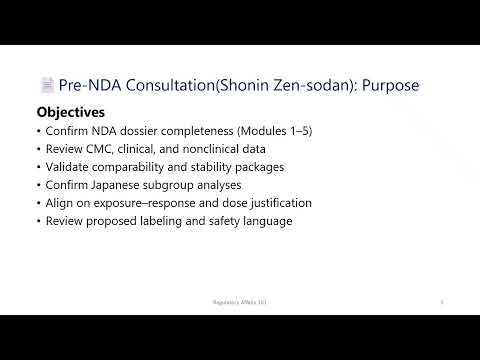
To begin engaging with PMDA, the first step is to thoroughly explore their official website. Identify the relevant department or contact person for your specific product type (e.g., pharmaceuticals, medical devices, in-vitro diagnostics). Many companies opt to schedule a pre-submission consultation meeting to discuss their development plans and receive guidance on the most efficient regulatory pathway. This proactive approach can help identify potential hurdles early on and ensure your application is well-prepared. Familiarize yourself with the application forms and required documentation, which are often available for download. Remember that timely and accurate communication is paramount.
❓ Frequently Asked Questions
PMDA's role is critical for ensuring that only safe and effective medical products reach the Japanese market. Their rigorous review process, while sometimes lengthy, provides a vital layer of public health protection. For companies seeking to access the Japanese market, understanding PMDA's requirements and engaging proactively is essential for success. Their commitment to scientific evaluation and post-market surveillance underscores their importance in the global healthcare ecosystem. The agency's continuous efforts to align with international standards also signal its forward-looking approach to drug and device regulation.
Key Facts
- Year
- 2004
- Origin
- Japan
- Category
- Regulatory Bodies
- Type
- Organization
Frequently Asked Questions
What is the primary role of PMDA?
The PMDA is Japan's regulatory agency responsible for evaluating and approving pharmaceuticals, medical devices, and regenerative medicine products. Its core mission is to ensure the safety, efficacy, and quality of these products for the Japanese public. This involves rigorous scientific review of applications, post-market surveillance, and providing guidance to manufacturers.
How long does it typically take to get a product approved by PMDA?
Review timelines can vary significantly depending on the product type, complexity, and completeness of the application. For new drugs, it can range from several months to over a year. Medical devices also have variable timelines. Early consultation and thorough preparation can help expedite the process. PMDA aims for efficiency while maintaining its high standards for safety and efficacy.
Do I need to conduct local clinical trials in Japan for my product?
Often, yes. While global clinical data is considered, PMDA may require local clinical trials or bridging studies to demonstrate the product's efficacy and safety in the Japanese population. This is particularly true if there are known ethnic differences in drug metabolism or disease presentation. Your specific product and its intended use will determine the exact requirements.
What is the difference between PMDA and the U.S. FDA?
Both PMDA and the FDA are national regulatory bodies with similar goals of ensuring product safety and efficacy. However, they operate under different legal frameworks and have distinct review processes and requirements. PMDA often places a strong emphasis on post-market surveillance and may require local data, while the FDA has established extensive mutual recognition agreements with other regions. Understanding these differences is crucial for global market strategies.
How can I find information on PMDA's fees and submission guidelines?
All official information regarding fees, submission guidelines, and application forms can be found on PMDA's official website. They provide detailed documentation for various product types and stages of the regulatory process. It is advisable to consult the website regularly as guidelines and fees are subject to change.
Is it possible to get scientific advice from PMDA during product development?
Yes, PMDA offers scientific consultation services throughout the development process. This is highly recommended, especially for novel products or complex regulatory pathways. These consultations can help clarify requirements, identify potential issues early, and streamline the eventual submission and review process. Booking these consultations in advance is essential.