
Contents
- 🌐 Introduction to the Semiconductor Market
- 💻 The History of Semiconductors: From Transistors to Microchips
- 📈 The Rise of the Asian Tigers: Taiwan, South Korea, and China
- 🔍 The Role of Research and Development in the Semiconductor Industry
- 🤝 The Importance of Partnerships and Collaborations
- 🚀 The Future of Semiconductors: Emerging Trends and Technologies
- 📊 The Economics of the Semiconductor Market: Supply and Demand
- 🔒 The Security Concerns of the Semiconductor Supply Chain
- 💸 The Financial Landscape of the Semiconductor Industry
- 🌟 The Key Players in the Semiconductor Market: Companies and Countries
- 📢 The Impact of Government Policies on the Semiconductor Industry
- Frequently Asked Questions
- Related Topics
Overview
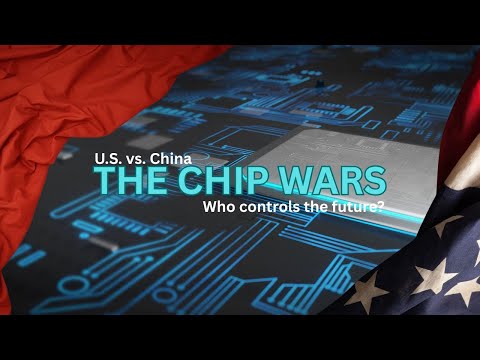
The semiconductor market is a $500 billion industry that underpins the global tech ecosystem, with titans like Intel, Samsung, and TSMC vying for dominance. As the world's most complex devices, semiconductors have become a battleground for trade wars, intellectual property disputes, and national security concerns. With a Vibe score of 85, the sector is marked by intense competition, rapid innovation, and high-stakes deal-making. The rise of China's SMIC and the US-China tech Cold War have raised the stakes, with the global semiconductor supply chain hanging in the balance. As the industry hurtles towards a $1 trillion valuation by 2025, the question on everyone's mind is: who will control the future of silicon? The semiconductor market is a contrarian's dream, with pessimistic views on the sector's environmental impact and optimistic outlooks on its potential to drive technological breakthroughs.
🌐 Introduction to the Semiconductor Market
The semiconductor market is a complex and highly competitive industry, with companies like Intel and Taiwan Semiconductor Manufacturing Company (TSMC) vying for dominance. The industry has a rich history, dating back to the invention of the transistor in 1947. Since then, the industry has experienced rapid growth and innovation, with the development of microchips and integrated circuits. Today, the semiconductor market is a global industry, with companies and countries around the world competing for market share. The United States has historically been a leader in the industry, but countries like China and South Korea are rapidly gaining ground.
💻 The History of Semiconductors: From Transistors to Microchips
The history of semiconductors is a fascinating story, with key milestones like the invention of the transistor and the development of the microchip. The industry has experienced several major innovations, including the introduction of very large scale integration (VLSI) and the development of system on chip (SoC) technology. Companies like Fairchild Semiconductor and Intel have played a significant role in shaping the industry, with key figures like Gordon Moore and Andrew Grove making major contributions. The Silicon Valley region in California has been a hub for the industry, with many companies and startups emerging in the area.
📈 The Rise of the Asian Tigers: Taiwan, South Korea, and China
The rise of the Asian Tigers, including Taiwan, South Korea, and China, has been a significant factor in the growth of the semiconductor market. Companies like TSMC and Samsung Electronics have become major players in the industry, with significant investments in research and development. The Asia-Pacific region is now home to many of the world's leading semiconductor companies, with countries like Japan and Singapore also playing important roles. The China-US trade war has had a significant impact on the industry, with companies like Huawei facing significant challenges.
🔍 The Role of Research and Development in the Semiconductor Industry
Research and development (R&D) is critical to the success of the semiconductor industry, with companies investing heavily in new technologies and innovations. The development of artificial intelligence (AI) and Internet of Things (IoT) technologies has created new opportunities for the industry, with companies like Google and Amazon making significant investments in these areas. The 5G wireless standard is also driving growth in the industry, with companies like Qualcomm and Ericsson playing key roles. The Stanford University and Massachusetts Institute of Technology (MIT) are among the top universities for semiconductor research.
🤝 The Importance of Partnerships and Collaborations
Partnerships and collaborations are essential in the semiconductor industry, with companies working together to develop new technologies and products. The Semiconductor Industry Association (SIA) is a key trade association for the industry, with members like Intel and TSMC working together to promote the industry. The GlobalFoundries and IBM partnership is an example of a successful collaboration in the industry. Companies like ARM Holdings and Broadcom are also working together to develop new technologies and products.
🚀 The Future of Semiconductors: Emerging Trends and Technologies
The future of semiconductors is exciting, with emerging trends and technologies like quantum computing and nanotechnology on the horizon. The development of 3D NAND and FinFET technologies is also driving growth in the industry, with companies like Samsung Electronics and Micron Technology making significant investments in these areas. The China-US trade war is likely to have a significant impact on the industry, with companies like Huawei facing significant challenges. The United States is also investing heavily in the development of new semiconductor technologies, with initiatives like the National Semiconductor Technology Center.
📊 The Economics of the Semiconductor Market: Supply and Demand
The economics of the semiconductor market are complex, with supply and demand playing a critical role in determining prices and profitability. The industry is highly cyclical, with companies like Intel and TSMC experiencing significant fluctuations in demand. The DRAM and NAND markets are particularly volatile, with companies like Samsung Electronics and Micron Technology competing fiercely for market share. The China-US trade war has also had a significant impact on the industry, with companies like Huawei facing significant challenges.
🔒 The Security Concerns of the Semiconductor Supply Chain
The security concerns of the semiconductor supply chain are significant, with companies like Intel and TSMC facing challenges in ensuring the integrity of their products. The Spectre and Meltdown vulnerabilities have highlighted the importance of security in the industry, with companies like Google and Amazon making significant investments in this area. The National Institute of Standards and Technology (NIST) is working to develop new standards and guidelines for the industry, with companies like IBM and Microsoft participating in these efforts.
💸 The Financial Landscape of the Semiconductor Industry
The financial landscape of the semiconductor industry is complex, with companies like Intel and TSMC generating significant revenues and profits. The industry is highly competitive, with companies like Samsung Electronics and Qualcomm competing fiercely for market share. The China-US trade war has had a significant impact on the industry, with companies like Huawei facing significant challenges. The NASDAQ and New York Stock Exchange (NYSE) are home to many of the world's leading semiconductor companies, with stocks like Intel and TSMC being closely watched by investors.
🌟 The Key Players in the Semiconductor Market: Companies and Countries
The key players in the semiconductor market are companies like Intel, TSMC, and Samsung Electronics. Countries like the United States, China, and South Korea are also playing important roles in the industry, with significant investments in research and development. The Asia-Pacific region is home to many of the world's leading semiconductor companies, with countries like Japan and Singapore also playing important roles. The China-US trade war has had a significant impact on the industry, with companies like Huawei facing significant challenges.
📢 The Impact of Government Policies on the Semiconductor Industry
The impact of government policies on the semiconductor industry is significant, with countries like the United States and China implementing policies to promote the growth of the industry. The China-US trade war has had a significant impact on the industry, with companies like Huawei facing significant challenges. The Semiconductor Industry Association (SIA) is working to promote the interests of the industry, with members like Intel and TSMC working together to advocate for policies that support the growth of the industry.
Key Facts
- Year
- 2022
- Origin
- The semiconductor market originated in the 1960s with the invention of the integrated circuit, and has since evolved into a global industry with a complex web of players, alliances, and rivalries.
- Category
- Technology
- Type
- Industry
Frequently Asked Questions
What is the semiconductor market?
The semiconductor market is a complex and highly competitive industry, with companies like Intel and TSMC vying for dominance. The industry has a rich history, dating back to the invention of the transistor in 1947. Today, the semiconductor market is a global industry, with companies and countries around the world competing for market share.
Who are the key players in the semiconductor market?
The key players in the semiconductor market are companies like Intel, TSMC, and Samsung Electronics. Countries like the United States, China, and South Korea are also playing important roles in the industry, with significant investments in research and development.
What are the emerging trends and technologies in the semiconductor industry?
The emerging trends and technologies in the semiconductor industry include quantum computing, nanotechnology, and artificial intelligence. The development of 3D NAND and FinFET technologies is also driving growth in the industry, with companies like Samsung Electronics and Micron Technology making significant investments in these areas.
What is the impact of the China-US trade war on the semiconductor industry?
The China-US trade war has had a significant impact on the semiconductor industry, with companies like Huawei facing significant challenges. The trade war has also led to increased tensions between the United States and China, with significant implications for the global semiconductor market.
What is the role of research and development in the semiconductor industry?
Research and development (R&D) is critical to the success of the semiconductor industry, with companies investing heavily in new technologies and innovations. The development of artificial intelligence (AI) and Internet of Things (IoT) technologies has created new opportunities for the industry, with companies like Google and Amazon making significant investments in these areas.
What is the significance of the semiconductor industry to the global economy?
How does the semiconductor industry impact the environment?
The semiconductor industry has a significant impact on the environment, with companies like Intel and TSMC facing challenges in reducing their carbon footprint. The industry is also working to develop more sustainable and environmentally friendly technologies, with companies like Google and Amazon making significant investments in this area.