
Contents
- 🚉 What is a Train Station?
- 📍 Location & Access
- ⏰ Operating Hours & Schedules
- 💰 Ticketing & Fares
- ⭐ User Experience & Amenities
- ⚖️ Station Types & Comparisons
- 🚧 Infrastructure & Engineering
- 🌍 Global Impact & Vibe Score
- 💡 Practical Tips for Travelers
- 🚀 The Future of Train Stations
- Frequently Asked Questions
- Related Topics
Overview
Train stations are far more than mere points of departure and arrival; they are complex ecosystems where engineering prowess meets urban planning, and where the pulse of a city is often most palpable. Historically, they have been catalysts for urban growth, shaping city layouts and driving economic development by connecting distant markets. Today, they function as multimodal transport hubs, integrating rail with buses, subways, and even ride-sharing, while also evolving into vibrant commercial and social centers with retail, dining, and public spaces. The design and operation of a train station reflect a city's ambition, its technological capacity, and its commitment to public life, making them critical nodes in the global transit network.
🚉 What is a Train Station?
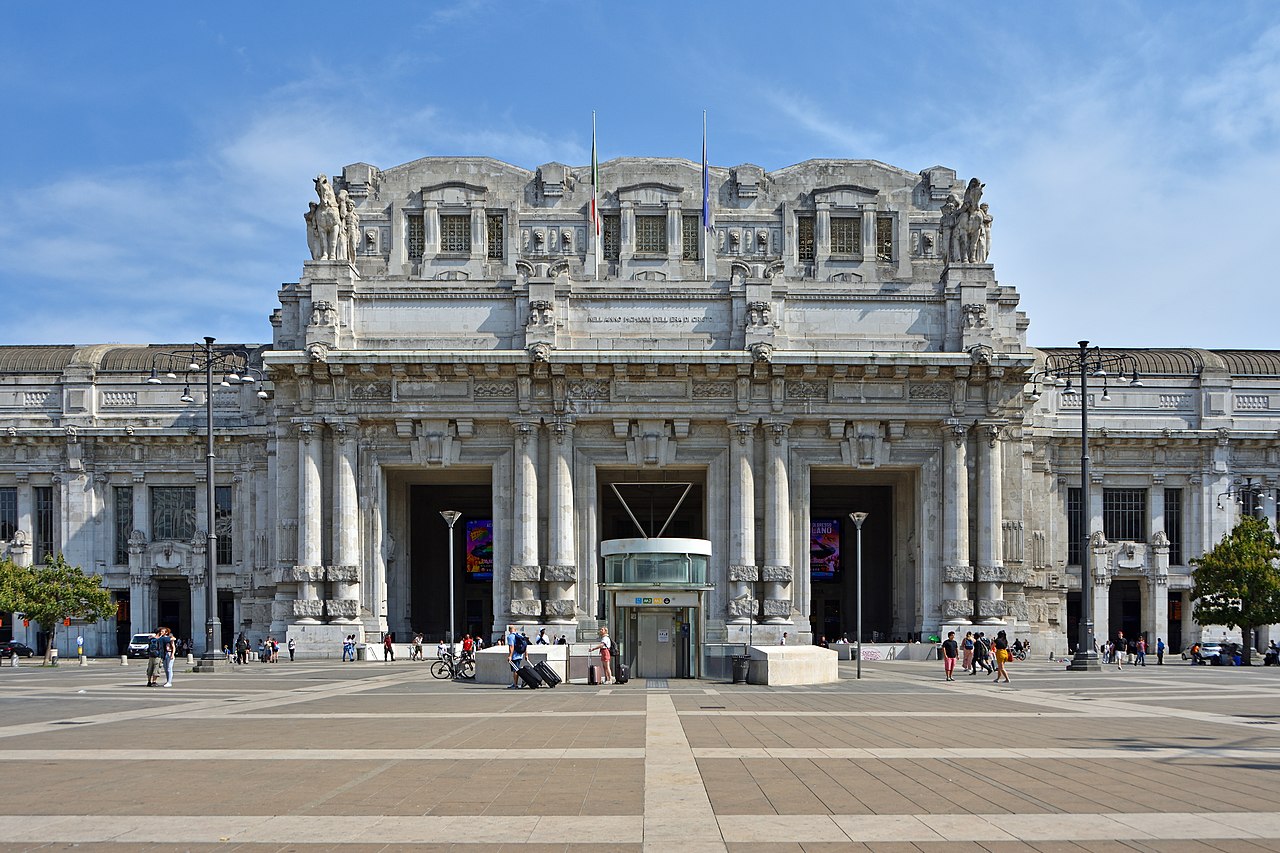
A train station, at its most fundamental, is the nexus where the rhythm of the railway meets the pulse of human transit. It's more than just a platform; it's a dynamic intersection designed for the efficient transfer of people and goods. Historically, these structures were often grand architectural statements, reflecting the industrial might and civic pride of their era, much like the iconic Grand Central in New York or St Pancras in London. Today, they remain vital hubs, facilitating daily commutes, long-distance journeys, and the movement of commerce, with their design and functionality constantly evolving to meet contemporary demands.
📍 Location & Access
Train stations are strategically positioned within urban and suburban landscapes, serving as critical nodes in regional and national transportation networks. Their accessibility is paramount, often featuring direct links to local bus services, subway lines, and pedestrian walkways. Major hubs like Tokyo Station are integrated into vast underground complexes, while smaller rural stations might be little more than a sheltered platform. Understanding a station's specific location and its connectivity to other transit options is the first step to a smooth journey.
⏰ Operating Hours & Schedules
Operating hours for train stations vary significantly, from 24/7 operations at major international terminals to limited service at smaller, regional stops. Passenger train schedules are the lifeblood of a station, dictating its peak hours and quiet periods. Freight operations often run outside of passenger service times, particularly overnight. It's crucial to consult the specific timetable for your intended route and station, as services can be reduced on weekends, holidays, or due to ongoing infrastructure upgrades.
💰 Ticketing & Fares
Ticketing and fare structures are as diverse as the rail networks themselves. Options range from simple walk-up fares purchased at station counters or vending machines to complex commuter passes and advance booking discounts. Many modern stations utilize contactless payment systems and mobile ticketing apps, streamlining the purchase process. The cost of travel is influenced by factors such as distance, class of service, and the specific train company.
⭐ User Experience & Amenities
The user experience at a train station is a blend of efficiency and comfort, aiming to make the transit process as seamless as possible. Amenities can range from basic waiting areas and restrooms to extensive retail outlets, dining options, and business lounges. The presence and quality of these facilities significantly impact a station's overall 'vibe' and its attractiveness to travelers. For instance, the bustling atmosphere of Mumbai Central offers a stark contrast to the serene efficiency of a Japanese Shinkansen station.
⚖️ Station Types & Comparisons
Train stations exist on a spectrum, from single-track rural halts with minimal facilities to sprawling, multi-level intermodal terminals. A simple 'halt' might only have a platform and a sign, whereas a major 'terminal' like Gare du Nord can handle millions of passengers daily, integrating multiple rail lines, international services, and bus connections. Comparing stations helps in understanding the scale and complexity of the railway system they serve.
🚧 Infrastructure & Engineering
The engineering behind a train station is a marvel of logistical planning and structural design. Tracks must be precisely laid, switches managed flawlessly, and platforms designed for safe boarding and alighting. Station buildings often incorporate complex systems for baggage handling, passenger flow management, and, in larger stations, intricate signaling and control rooms. The sheer scale of projects like the high-speed rail network in China demonstrates the immense engineering challenges involved.
🌍 Global Impact & Vibe Score
Globally, train stations are more than just transit points; they are cultural landmarks and economic engines. Their 'vibe score'—a Vibepedia metric measuring cultural energy and influence—can range from a low 20 for a utilitarian commuter stop to a high 90 for a historic, architecturally significant hub. Stations like King's Cross in London, immortalized in popular culture, possess a unique resonance that transcends their functional purpose, drawing millions of visitors annually.
💡 Practical Tips for Travelers
Navigating a train station efficiently requires a bit of forethought. Always check your platform number and departure time well in advance, especially at larger, busier stations. Familiarize yourself with the station layout using signage or a map, and be aware of peak travel times to avoid crowds. If you have luggage, consider the accessibility of platforms and any potential stairs or escalators. For international travel, ensure you have the necessary documentation readily available.
🚀 The Future of Train Stations
The future of train stations points towards greater integration with smart city technologies and sustainable practices. Expect enhanced digital services, real-time information displays, and seamless connections with other mobility options like ride-sharing and bike rentals. Stations are increasingly envisioned as mixed-use developments, incorporating residential, retail, and recreational spaces, transforming them from mere transit points into vibrant urban centers. The challenge lies in balancing modernization with the preservation of historical character and ensuring equitable access for all.
Key Facts
- Year
- 19th Century (major development)
- Origin
- Industrial Revolution
- Category
- Infrastructure & Urbanism
- Type
- Infrastructure
Frequently Asked Questions
What is the difference between a station and a terminal?
While often used interchangeably, a 'terminal' typically refers to a larger, more significant station that serves as the end of a railway line or a major hub for multiple lines and services, often handling a higher volume of passengers and freight. A 'station' can be any point where trains stop, from small rural halts to major urban centers. Think of Grand Central Terminal as a prime example of a major terminal, while a small stop on a commuter line would simply be a station.
How do I find out if my train is delayed?
Most train stations have real-time departure boards displaying train status. You can also check the official website or mobile app of the train company you are traveling with. Many also offer SMS or email alerts for delays if you sign up in advance. Some stations have dedicated customer service desks that can provide the most up-to-date information.
Can I store my luggage at a train station?
Many larger train stations offer luggage storage facilities, often referred to as 'left luggage' or 'baggage services.' These are usually available for a fee, charged per item per day. It's advisable to check the specific station's website or inquire at the information desk to confirm availability and operating hours for these services.
What amenities can I expect at a train station?
Amenities vary greatly by station size and location. Common facilities include ticket offices, waiting rooms, restrooms, and vending machines. Larger stations often feature retail shops, restaurants, cafes, Wi-Fi access, and sometimes even lounges for specific ticket holders. Smaller stations may only offer a basic shelter and a timetable.
Are train stations accessible for people with disabilities?
Most modern train stations are designed with accessibility in mind, offering features like ramps, elevators, accessible restrooms, and designated waiting areas. However, older stations may have limitations. It's always best to check the accessibility information for a specific station on its operator's website or contact them directly if you have specific needs.
How do I find the right platform for my train?
Train stations typically have clear signage directing passengers to different platforms. Digital departure boards are usually located prominently throughout the station, listing train destinations, departure times, and platform numbers. Listen for station announcements as well, as platform assignments can sometimes change at the last minute.