
Contents
Overview
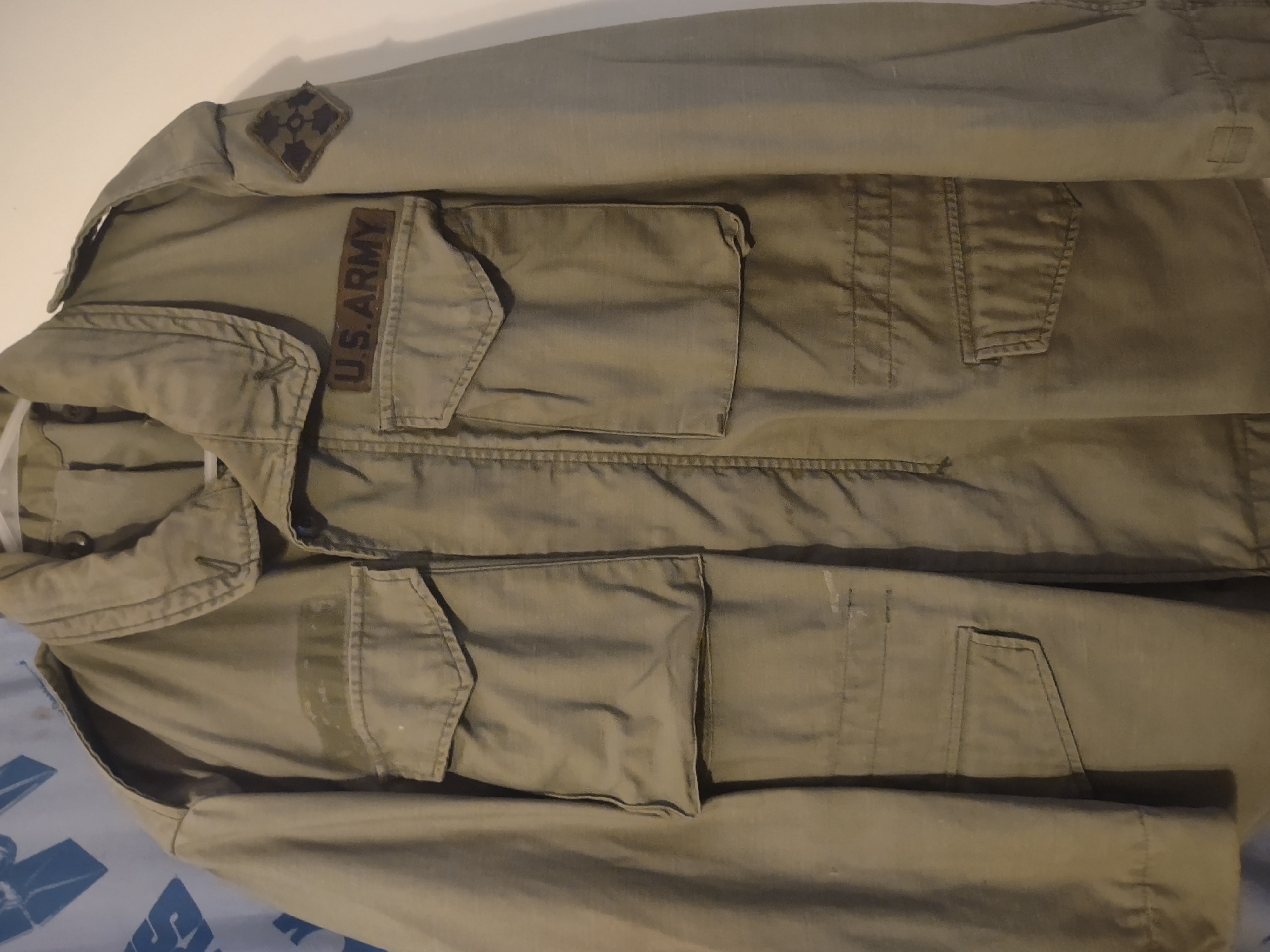
The concept of protecting oneself from rain with specialized garments has ancient roots, with early examples including oiled leather and waxed canvas garments dating back centuries. However, the modern waterproof jacket truly began to take shape in the mid-20th century with the development of synthetic materials and advanced manufacturing techniques. The pivotal moment arrived in 1969 when Bob Gore and his father, Bill Gore, discovered ePTFE (polytetrafluoroethylene). Early iterations were often bulky and less breathable than today's standards, but they represented a significant leap forward from rubberized fabrics that trapped moisture. The military also played a role, with innovations like the M-1965 field jacket incorporating water-resistant features, though not fully waterproof by modern definitions. The subsequent decades saw continuous refinement, with companies like Patagonia and The North Face pushing the boundaries of performance and design.
⚙️ How It Works
At its core, a waterproof jacket functions through a multi-layered system designed to repel external water while allowing internal moisture vapor to escape. The primary barrier is typically a waterproof-breathable membrane. These membranes consist of billions of microscopic pores per square inch. These pores are too small for liquid water droplets to penetrate but large enough for water vapor (sweat) to pass through. The membrane is often sandwiched between a durable outer fabric (like nylon or polyester) and an inner lining. The outer fabric is treated with a DWR coating, which causes water to bead up and roll off, preventing the fabric from becoming saturated and heavy. Crucially, all seams are sealed with waterproof tape, often applied using heat, to prevent water from seeping through the needle holes created during stitching. The effectiveness of a jacket is measured by its hydrostatic head rating (in millimeters, indicating water pressure resistance) and its MVTR (Moisture Vapor Transmission Rate, indicating breathability).
📊 Key Facts & Numbers
The waterproof jacket market is a multi-billion dollar global industry. Gore-Tex remains a dominant player in the high-performance waterproof-breathable fabric sector. The average lifespan of a well-maintained waterproof jacket is estimated to be between 5 to 10 years, though this can vary significantly based on usage and care.
👥 Key People & Organizations
Several key individuals and organizations have shaped the waterproof jacket landscape. Bob Gore and his father Bill Gore are credited with inventing Gore-Tex. Yvon Chouinard, founder of Patagonia, has been a vocal advocate for sustainable practices in outdoor gear manufacturing, influencing how waterproof jackets are designed and produced with an emphasis on environmental impact. Companies like The North Face, Arc'teryx, and Columbia Sportswear are major players, consistently innovating in fabric technology and design. Organizations such as the Outdoor Industry Association (OIA) play a role in setting industry standards and promoting responsible manufacturing. The development of competing membranes by companies like Sympatex and Pertex has also driven innovation and competition.
🌍 Cultural Impact & Influence
Waterproof jackets have transcended their utilitarian origins to become cultural signifiers. In outdoor and adventure sports, they are essential gear, symbolizing preparedness and a connection to nature, often featured in media depicting mountaineering expeditions or trail running races. Beyond the wilderness, waterproof jackets have been adopted into urban fashion, particularly in cities known for their rain, such as Seattle and Manchester. Brands like Stutterheim have built entire businesses around stylish, minimalist waterproof coats. The jacket's versatility has made it a staple in the wardrobes of everyone from construction workers to fashion influencers. The aesthetic has evolved from purely functional to include a range of colors, cuts, and styles, reflecting broader fashion trends and the increasing demand for durable, weather-resistant clothing in everyday life.
⚡ Current State & Latest Developments
The waterproof jacket market in 2024-2025 is characterized by a dual focus on enhanced performance and increased sustainability. Brands are pushing the boundaries of waterproof-breathable technology, with new membranes offering improved breathability without compromising water resistance. For instance, Gore-Tex Pro continues to be updated for extreme conditions, while lighter, more packable options are emerging for everyday use. Simultaneously, there's a significant push towards eco-friendly materials and manufacturing processes. Recycled materials, such as recycled nylon and polyester, are becoming increasingly common in jacket construction. Brands like Patagonia are leading the charge with robust repair programs and take-back initiatives, aiming for circularity in their product lifecycle. The integration of smart technologies, such as embedded sensors for weather monitoring, remains a niche but growing area of interest.
🤔 Controversies & Debates
The primary controversy surrounding waterproof jackets revolves around their environmental impact and the efficacy of their 'breathability' claims. The use of perfluorinated chemicals in DWR treatments has been a major point of contention, as these 'forever chemicals' are persistent in the environment and have been linked to health concerns. While many brands are transitioning to PFC-free alternatives, the long-term durability and performance of these new treatments are still being evaluated. Another debate centers on the actual breathability of waterproof membranes. While marketed as breathable, under strenuous activity, especially in humid conditions, many users still experience 'internal clamminess' as the membrane struggles to keep up with high sweat rates. This has led to discussions about the limitations of current technologies and the trade-offs between absolute waterproofing and effective moisture management. Furthermore, the 'fast fashion' cycle has extended to outdoor gear, raising questions about the disposability of even high-quality waterproof jackets and the need for more durable, repairable designs.
🔮 Future Outlook & Predictions
The future of waterproof jackets points towards even greater integration of advanced materials and sustainable practices. Expect to see further innovations in biomaterials and nanotechnology for creating membranes that are both highly waterproof and exceptionally breathable, potentially mimicking natural structures like lotus leaves. The push for PFC-free DWR treatments will likely continue, with ongoing research into more durable and environmentally benign alternatives. Circular economy principles will becom
Key Facts
- Category
- technology
- Type
- topic