
Contents
- 🎯 What Exactly Is Chemotherapy?
- 🏥 Who Needs Chemotherapy?
- ⚙️ How Does Chemotherapy Work?
- 📈 Types of Chemotherapy Regimens
- ⏳ Duration and Frequency of Treatment
- 💰 Cost Considerations and Insurance
- ⚠️ Side Effects and Management
- 🌟 Alternatives and Complementary Therapies
- 🚀 The Future of Chemotherapy
- 📞 Getting Started with Chemotherapy
- Frequently Asked Questions
- Related Topics
Overview
Chemotherapy, at its core, is a pharmacologic assault on cancer cells, employing a cocktail of potent drugs designed to kill rapidly dividing cells. It's a cornerstone of medical oncology, a specialized field dedicated to drug-based cancer treatment. While often associated with curative intent – aiming to eradicate cancer entirely – chemotherapy also plays a crucial role in palliative care, focusing on prolonging life and alleviating symptoms when a cure isn't feasible. The development of chemotherapy drugs has a long history, with early breakthroughs like nitrogen mustard in the 1940s paving the way for today's sophisticated regimens.
🏥 Who Needs Chemotherapy?
The decision to undergo chemotherapy is complex, typically reserved for patients diagnosed with various forms of cancer. It's not a one-size-fits-all solution; treatment protocols are highly individualized based on the cancer's type, stage, location, and the patient's overall health. For instance, lymphoma and leukemia are often primary targets for chemotherapy, but it's also used in conjunction with surgery or radiation therapy for solid tumors like breast or lung cancer. Your oncologist will determine if chemotherapy is the most appropriate path for your specific diagnosis.
⚙️ How Does Chemotherapy Work?
Chemotherapy drugs work by interfering with the cell division cycle, a process crucial for both cancer cell proliferation and normal cell growth. Different drugs target different phases of this cycle, making combination therapies particularly effective. By disrupting DNA replication, RNA synthesis, or protein production, chemotherapy agents induce programmed cell death (apoptosis) in malignant cells. However, this indiscriminate action also affects healthy, fast-growing cells, leading to the characteristic side effects associated with the treatment. Understanding this mechanism is key to appreciating both its power and its limitations.
📈 Types of Chemotherapy Regimens
Chemotherapy regimens are not monolithic; they are carefully constructed sequences of drugs, dosages, and administration schedules. These can range from single-agent therapies to complex multi-drug combinations, often named after their developers or key components (e.g., the CHOP regimen for lymphoma). The choice of regimen depends heavily on the specific cancer being treated, its aggressiveness, and whether it's a first-line treatment or a subsequent attempt. Your oncologist will select a regimen designed for maximum efficacy with manageable toxicity.
⏳ Duration and Frequency of Treatment
The duration and frequency of chemotherapy are as varied as the regimens themselves. Treatment can span from a few weeks to over a year, with sessions typically administered in cycles. A cycle might involve a few days of drug administration followed by a period of rest, allowing the body to recover from the treatment's effects. The exact timing and length of these cycles are meticulously planned to optimize the killing of cancer cells while minimizing harm to healthy tissues. Regular monitoring through blood tests and imaging scans guides adjustments to the schedule.
💰 Cost Considerations and Insurance
The financial aspect of chemotherapy can be substantial, encompassing drug costs, administration fees, and supportive care. While health insurance plans in many developed nations cover a significant portion of these expenses, out-of-pocket costs can still be considerable. Many cancer centers offer financial counseling services to help patients navigate insurance complexities, explore patient assistance programs, and understand potential costs. It's crucial to have an open conversation with your healthcare provider and insurance company early in the process.
⚠️ Side Effects and Management
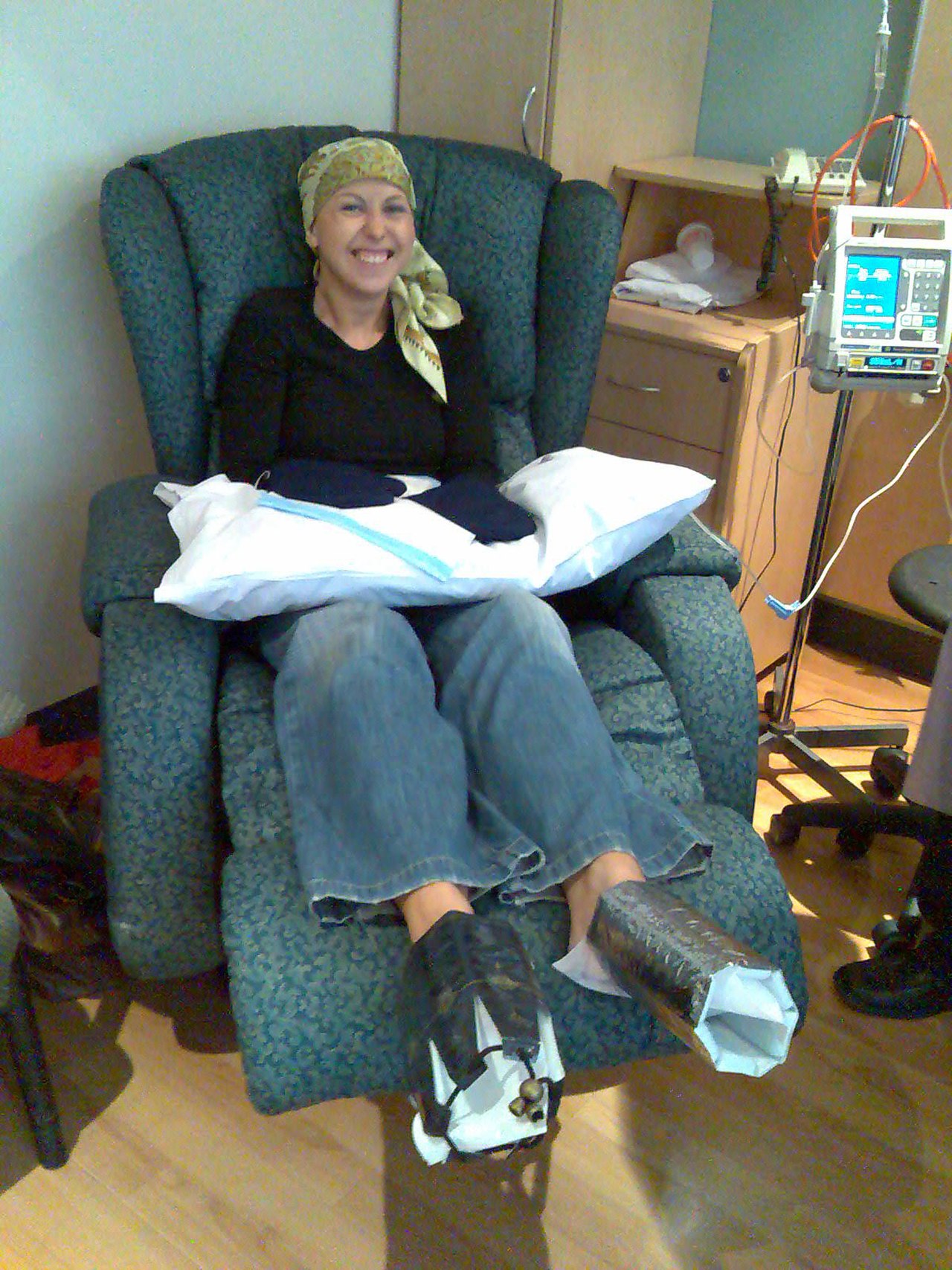
Side effects are an unavoidable consequence of chemotherapy's mechanism of action, as it targets rapidly dividing cells throughout the body. Common issues include nausea and vomiting, hair loss, fatigue, increased risk of infection due to lowered white blood cell counts, and mouth sores. However, modern medicine offers a robust arsenal of supportive care medications and strategies to manage these effects, from anti-emetics to growth factors. Proactive communication with your care team about any emerging symptoms is vital for effective management.
🌟 Alternatives and Complementary Therapies
While chemotherapy is a powerful tool, it's often integrated with other treatment modalities. Surgery may be used to remove tumors before or after chemotherapy, and radiation therapy can target localized cancer cells. Beyond conventional medicine, many patients explore complementary therapies like acupuncture, massage, or nutritional support to manage side effects and improve well-being. It's imperative that any complementary or alternative treatments are discussed with your oncologist to ensure they don't interfere with your chemotherapy regimen.
🚀 The Future of Chemotherapy
The landscape of chemotherapy is continuously evolving, driven by advances in genomics and targeted therapies. Researchers are developing drugs that specifically target genetic mutations within cancer cells, leading to more precise and less toxic treatments. Immunotherapy, which harnesses the patient's own immune system to fight cancer, is another rapidly advancing frontier. While traditional chemotherapy will likely remain a vital tool, its future lies in becoming more personalized and integrated with these novel approaches.
📞 Getting Started with Chemotherapy
Embarking on chemotherapy is a significant step, and the first move is to consult with a qualified medical oncologist. They will conduct a thorough evaluation, including reviewing your medical history, performing physical exams, and ordering necessary diagnostic tests like biopsies and imaging. Based on this assessment, they will discuss your treatment options, including the potential benefits and risks of chemotherapy, and help you make an informed decision about your care plan. Don't hesitate to ask questions and seek second opinions.
Key Facts
- Year
- 2023
- Origin
- Early 20th Century
- Category
- Health & Medicine
- Type
- Medical Treatment
Frequently Asked Questions
Is chemotherapy painful?
Chemotherapy itself is typically administered intravenously or orally, and the drugs themselves don't cause direct pain. However, the side effects, such as mouth sores or nerve damage, can cause discomfort or pain. Your medical team has many ways to manage pain and discomfort associated with chemotherapy. It's crucial to report any pain you experience to your healthcare provider so they can address it effectively.
Will I lose my hair during chemotherapy?
Hair loss, or alopecia, is a common side effect of many chemotherapy drugs because they affect rapidly dividing cells, including those in hair follicles. However, not all chemotherapy drugs cause hair loss, and the extent can vary. Hair typically begins to grow back a few weeks after treatment ends. Options like scalp cooling can sometimes reduce hair loss during treatment.
How long does chemotherapy treatment last?
The duration of chemotherapy varies greatly depending on the type and stage of cancer, the specific drugs used, and how your body responds. Treatment can range from a few weeks to over a year. It's usually given in cycles, with periods of treatment followed by rest days or weeks to allow your body to recover. Your oncologist will create a personalized schedule for you.
Can I work while undergoing chemotherapy?
Many people can continue to work during chemotherapy, especially if their side effects are well-managed. However, it depends on the intensity of the treatment, the type of work you do, and your personal energy levels. Some individuals may need to reduce their hours or take a leave of absence. Open communication with your employer and your medical team is key to making this decision.
What is the difference between chemotherapy and immunotherapy?
Chemotherapy uses drugs to directly kill cancer cells, often affecting healthy cells too. Immunotherapy, on the other hand, works by stimulating your own immune system to recognize and attack cancer cells. While chemotherapy is a broad-spectrum approach, immunotherapy is more targeted, leveraging the body's natural defenses. Both are powerful cancer treatments, and sometimes they are used in combination.
How can I manage nausea and vomiting from chemotherapy?
Nausea and vomiting are common but manageable side effects. Your doctor will likely prescribe anti-nausea medications (anti-emetics) to take before and after your chemotherapy sessions. Eating small, frequent meals, avoiding strong odors, and staying hydrated can also help. Dietary adjustments and sometimes acupuncture are also explored by patients.