
Contents
Overview
The piano, invented in the early 18th century, is a versatile instrument that has influenced countless genres, from classical compositions by Beethoven to modern pop hits. Its ability to convey a wide range of emotions makes it a staple in both solo performances and ensemble settings, creating a sonic landscape that resonates with audiences worldwide. The instrument's evolution continues to inspire musicians and composers, ensuring its place in the future of music creation.
🎬 Behind the Scenes
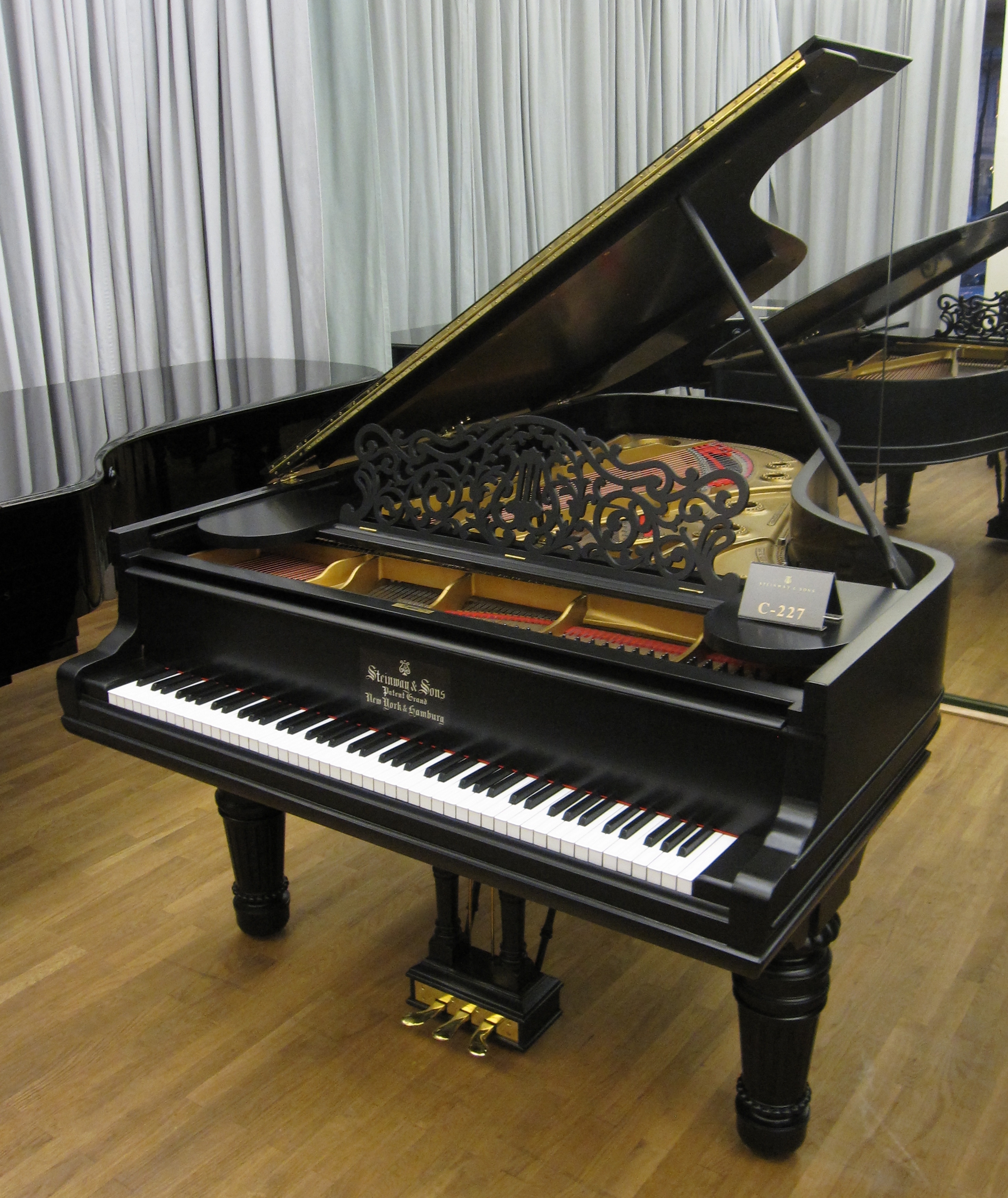
The piano was invented by Bartolomeo Cristofori around 1700, marking a significant development in keyboard instruments. The instrument’s unique capacity to play both soft and loud notes, hence the name 'piano-forte', set it apart from its predecessors like the harpsichord and clavichord. Over the centuries, it has undergone various transformations, including the development of the grand piano and the upright piano, which broadened its appeal and accessibility to musicians and composers alike.
📖 The Story
The piano's repertoire spans diverse genres, showcasing its adaptability. Classical music, represented by composers like Chopin and Mozart, highlights its intricate capabilities. In jazz, artists such as Thelonious Monk and Bill Evans have pushed the boundaries of improvisation on the instrument, while contemporary pop musicians incorporate piano melodies to create memorable hooks. This versatility allows the piano to remain relevant across generations and styles.
🏆 Reception & Impact
The piano has received accolades and recognition in various forms, including its pivotal role in prestigious competitions like the Chopin Piano Competition. Its cultural impact is evident in film scores, as seen in works by composers like John Williams, who often utilize piano to evoke emotion. The instrument has also inspired a wealth of literature and educational resources that explore its techniques and history, solidifying its status as a foundational element of music education.
✨ Legacy & Influence
The legacy of the piano is profound, influencing countless musicians and genres. Its design and mechanics have inspired innovations in other instruments, such as the synthesizer. The piano's presence in popular culture, from iconic performances by Elton John to its central role in music education, ensures its continued relevance. As technology evolves, the integration of digital pianos and software applications further expands the instrument's reach, inviting new generations to explore its rich history and expressive potential.
Key Facts
- Year
- 1700s - Present
- Origin
- Italy
- Category
- videos
- Type
- youtube-creator
Frequently Asked Questions
What are the different types of pianos?
The main types are grand pianos, upright pianos, and digital pianos.
How long does it take to learn piano?
It varies, but many can play basic songs within a few months of practice.
Who are some famous piano composers?
Notable composers include Chopin, Beethoven, and Debussy.
What is the purpose of a piano scale?
Piano scales are used to develop finger strength and dexterity.
Is it better to learn piano by ear or sheet music?
Both methods have their advantages; learning by ear enhances listening skills while sheet music provides a structured approach.