
Contents
Overview
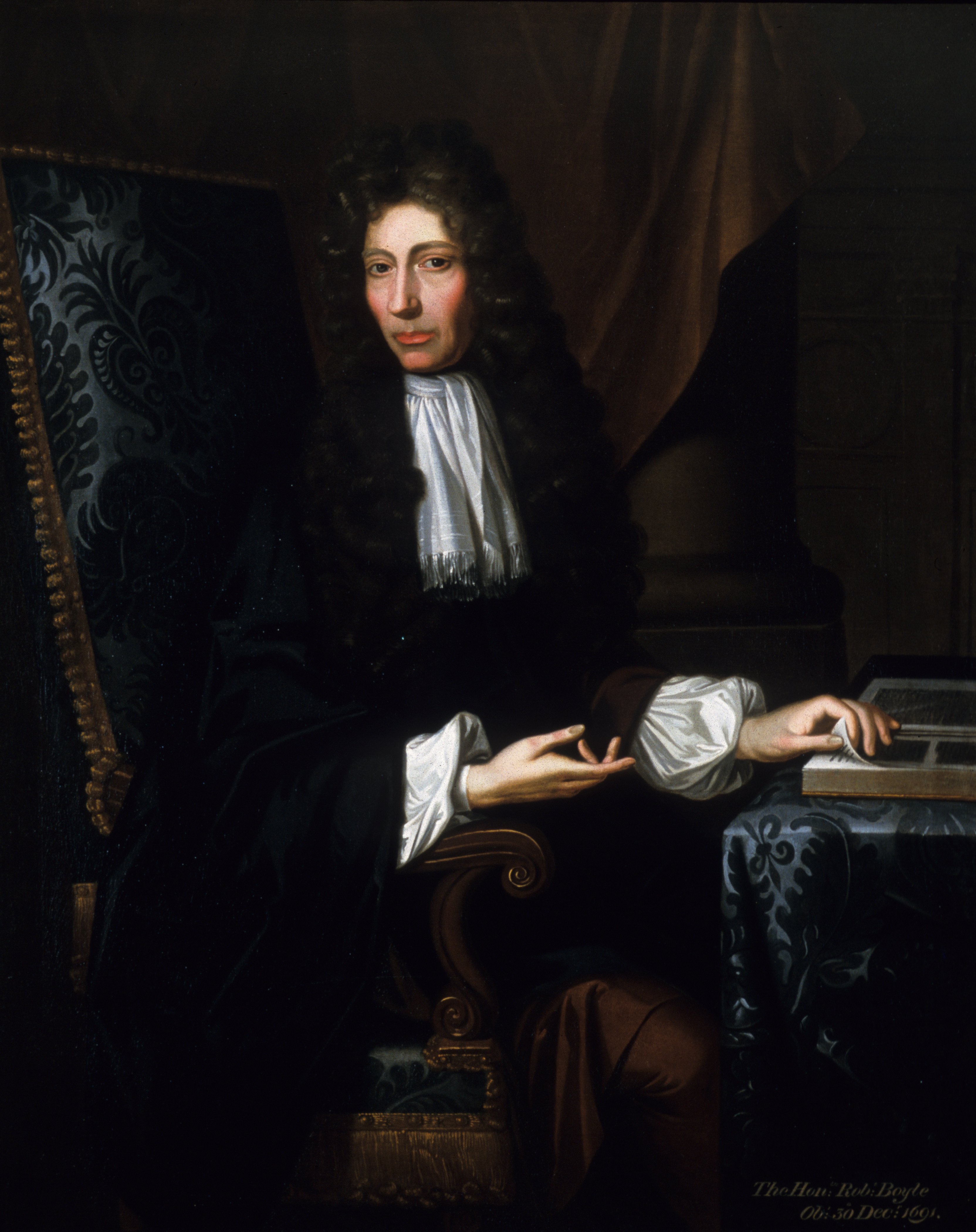
Robert Boyle was born on January 25, 1627, in Lismore, Ireland, to Richard Boyle, the 1st Earl of Cork, and his wife, Catherine Fenton. Boyle's early education took place at home, where he was tutored by Isaac Marcombes, a French Huguenot. He later attended Eton College and then traveled to Europe, where he studied under the guidance of Galileo Galilei and Rene Descartes.
⚗️ Scientific Contributions
Boyle's scientific contributions are numerous and significant. He is best known for Boyle's Law, which describes the inversely proportional relationship between the absolute pressure and volume of a gas, if the temperature is kept constant within a closed system. This discovery was a major breakthrough in the field of physics and chemistry. Boyle also made significant contributions to the study of alchemy and chemistry, and his book The Sceptical Chymist is considered a cornerstone of modern chemistry. He was a fellow of the Royal Society and worked closely with other prominent scientists, including Isaac Newton and Edmond Halley.
📚 Literary Works and Legacy
Boyle was a prolific writer and published several books on science, philosophy, and theology. His most famous work, The Sceptical Chymist, was first published in 1661 and is considered a seminal work in the field of chemistry. Boyle's writing style was clear and concise, and he was able to explain complex scientific concepts in a way that was accessible to a broad audience. He was also a devout and pious Anglican and wrote several books on theology, including Some Considerations Touching the Style of the Holy Scriptures.
👥 Influences and Impact
Boyle's work had a profound impact on the development of science and philosophy. He was a major influence on Isaac Newton and other prominent scientists of the time. His emphasis on experimentation and empirical evidence helped to establish the scientific method as the foundation of modern science. Boyle's legacy extends beyond the scientific community, and he is remembered as a pioneer of modern thought and a champion of critical thinking. He was a fellow of the Royal Society and worked closely with other prominent scientists, including Edmond Halley and Christopher Wren.
Key Facts
- Year
- 1627-1691
- Origin
- Ireland
- Category
- science
- Type
- person
Frequently Asked Questions
What is Boyle's Law?
Boyle's Law states that the absolute pressure and volume of a gas are inversely proportional, if the temperature is kept constant within a closed system. This discovery was a major breakthrough in the field of physics and chemistry, and it laid the foundation for the development of modern chemistry. Boyle's Law is still widely used today in a variety of fields, including physics, chemistry, and engineering.
What was The Sceptical Chymist?
The Sceptical Chymist was a book written by Robert Boyle in 1661. It is considered a cornerstone of modern chemistry and is still studied by chemists and historians of science today. The book is a comprehensive treatise on chemistry, and it covers a wide range of topics, including the nature of matter, the properties of elements, and the principles of chemical reactions. The Sceptical Chymist is notable for its clear and concise writing style, and it is considered one of the most important scientific books of the 17th century.
What was Boyle's contribution to the scientific method?
Boyle was a major contributor to the development of the scientific method. He emphasized the importance of experimentation and empirical evidence in scientific inquiry, and he developed a number of techniques for conducting experiments and collecting data. Boyle's work laid the foundation for the development of modern science, and his emphasis on experimentation and empirical evidence helped to establish the scientific method as the foundation of modern science. The scientific method is still widely used today in a variety of fields, including physics, chemistry, biology, and medicine.
What was Boyle's relationship with the Royal Society?
Boyle was a fellow of the Royal Society, and he played an active role in the society's early years. He was a frequent contributor to the society's journal, and he served as the society's president from 1680 to 1685. Boyle's work was widely respected by the members of the Royal Society, and he was considered one of the leading scientists of his time. The Royal Society is still one of the most prestigious scientific organizations in the world, and it continues to play an important role in the development of modern science.
What was Boyle's legacy?
Boyle's legacy is complex and multifaceted. He is widely regarded as one of the most important scientists of the 17th century, and his work had a profound impact on the development of modern science. Boyle's emphasis on experimentation and empirical evidence helped to establish the scientific method as the foundation of modern science, and his discoveries in chemistry and physics laid the foundation for a wide range of scientific and technological advances. Robert Boyle is still studied by scientists and historians of science today, and his work continues to inspire new generations of researchers and scholars.